For the protection of the Baltic Sea environment
The main goal of CCB is to promote the protection and improvement of the environment and natural resources of the Baltic Sea region for present and future generations.
CCB's Member Organizations
CCB unites Member and Observer organizations, as well as partners and individual experts in all countries of the Baltic Sea Region.
Combined, the CCB member organizations have almost 1 500 000 members in all countries surrounding the Baltic Sea.
News
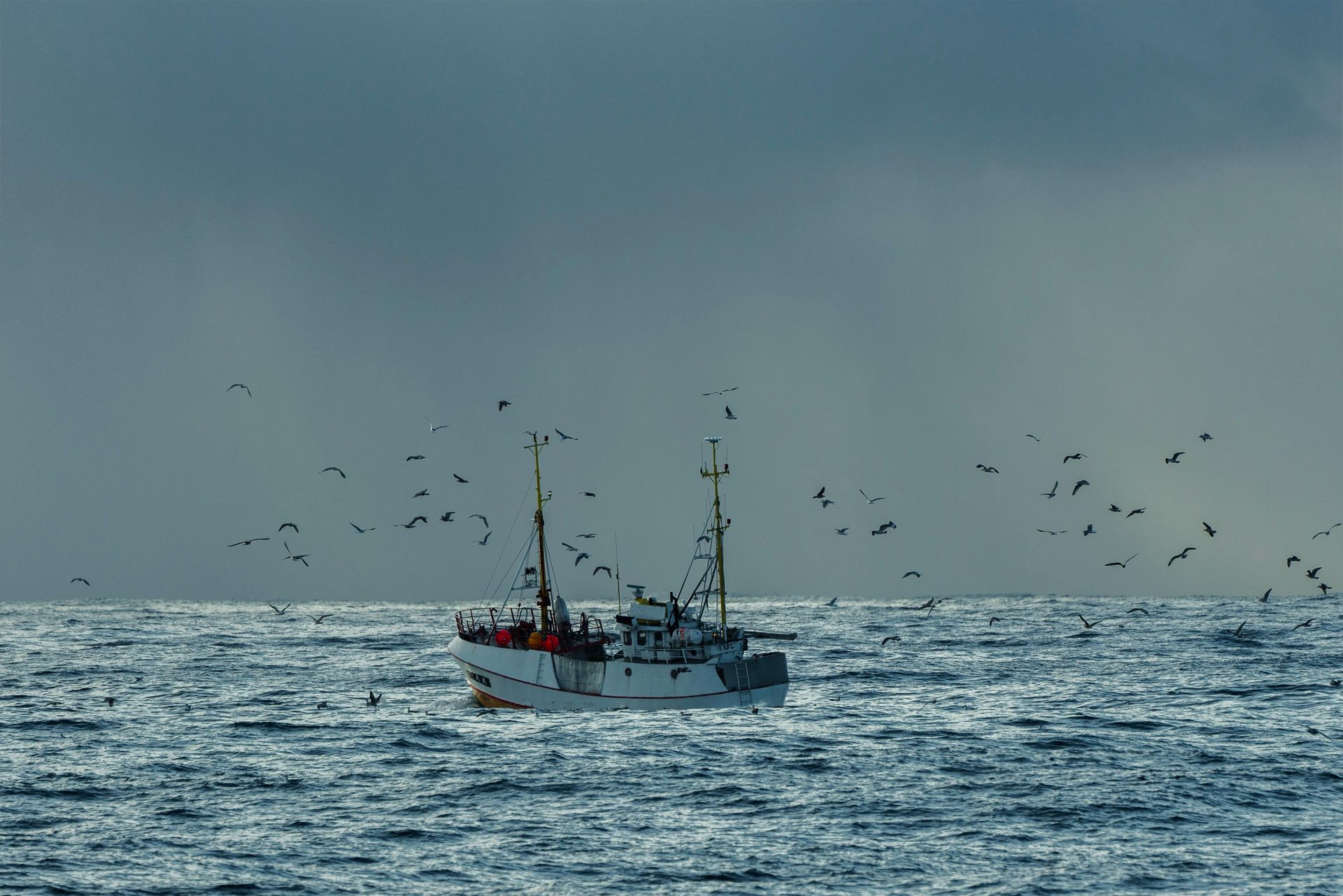
Uppsala, 31 August 2026 - Coalition Clean Baltic (CCB) welcomes the Commission’s recognition that declining fishing pressure has not consistently delivered higher biomass, that recruitment and biomass are deteriorating for a number of stocks, and that Baltic fisheries urgently need rebuilding trajectories. These findings must now shape the Council’s decision on the 2027 fishing opportunities and the Commission’s position during the Council negotiations. The poor status and decline of many Baltic Sea fish populations have been documented over several decades and show that the ecosystem is in severe distress. Cumulative human pressures have contributed to major ecosystem shifts, and at the same time climate change is making the shallow, semi-enclosed Baltic Sea warmer and less saline. These combined pressures affect not only fish biomass but also recruitment, population age and size structures, species interactions and the functioning of the wider food web. The Baltic crisis reflects the persistent failure to fully implement the CFP and the Baltic MAP, including their precautionary safeguards and the legal obligation to apply ecosystem-based fisheries management. Fishing opportunities for 2027 must therefore mark the first concrete step towards ambitious, timebound rebuilding trajectories that reduce fishing pressure and enable depleted populations to recover to healthy levels. These trajectories must include implementation of an ecosystem based approach by accounting for species interactions, food-web needs, habitat conditions, environmental and climatic change and scientific uncertainty, while reinforcing, not replacing the CFP’s objectives and the Baltic MAP’s existing safeguards in Art. 4.6. The Commission’s 2027 proposal is now before the Council. The October Council must turn the commitment to rebuild Baltic fish populations into measurable action by adopting fishing opportunities that deliver rapid and sustained recovery. Under no circumstances should the TACs adopted be higher than levels proposed by the European Commission. Fishing opportunities aligned with scientific evidence, legal safeguards and ecosystem needs are the basis for both a recovering Baltic Sea and viable fisheries in the long term. Read the full CCB's submission and recommendations here .
25 August 2026 - Following yesterday’s European Commission proposal for 2027 Baltic Sea fishing opportunities , environmental and angling organisations call on EU fisheries ministers not to treat the early signs of recovery for some Baltic Sea fish populations as a licence for steep quota increases. The latest scientific assessment on central Baltic herring shows some encouraging signs of improvement. This is welcome, but the changes are recent and do not mean that the population has fully recovered. An increase in biomass alone does not demonstrate that fish populations are healthy and resilient or justify higher catch limits. Fishing limits for small pelagic fish in the Baltic Sea have been set too high for years; last year’s Agriculture and Fisheries Council’s (AGRIFISH) decisions provide a recent example [1]. Herring proposals support recovery, but sprat’s wider ecosystem role must not be overlooked NGOs support the Commission’s proposed 2027 catch limit of 143,860 tonnes for central Baltic herring. Although 49% higher than last year, the proposal reflects the population’s recent growth, whilst also increasing the chances of the still fragile population to continue rebuilding. NGOs also cautiously welcome the proposed catch limit of 57,308 tonnes for Bothnian herring, a 3% increase, and the retention of the three- month spawning closure. Nevertheless, the population remains vulnerable and continues to be below healthy levels according to scientific advice [2]. An even more cautious fishing level would be needed in order to restore the population to the required healthy level. NGOs therefore strongly recommend a lower Total Allowable Catch (TAC) of 45,544 tonnes. For sprat, the proposed catch limit of 291,590 tonnes and proposed removal of the spawning closure do not sufficiently account for the observed and documented misreporting issues, or for species’ vital role in the wider Baltic Sea ecosystem. “The Commission has taken a careful approach to herring, and the same is needed for sprat. Sprat may be small, but they play a vital role in the Baltic Sea as key prey for cod, salmon and seabirds. Fisheries ministers should set a lower catch limit that leaves enough sprat in the sea to help the fragile Baltic Sea ecosystem recover,” says Cathrine Pedersen Schirmer, Senior Fisheries Policy Advisor, Coalition Clean Baltic. Cod remains in crisis Scientists continue to advise zero catch for both eastern and western Baltic cod in 2027, a reminder of how depleted these populations remain. NGOs welcome the Commission's proposal to reduce cod bycatch quotas by 51% (to 211 tonnes) for eastern Baltic cod and by 88% (to 31 tonnes) for western Baltic cod, and to maintain the current conservation measures. However, to increase the chances for recovery for Baltic cod populations, EU decision makers must walk the talk. New legal obligations require the use of fishing gear in flatfish fisheries designed to avoid accidental catches of cod. With this gear now mandatory, cod bycatch quotas should be reduced and set as close as possible to the advised zero catch. For plaice, the Commission proposes to keep the same fishing opportunity as in 2026. However, cod is also caught as bycatch in the plaice fishery. NGOs therefore urge ministers to keep the plaice quota at a lower level, no higher than 1,593 tonnes for 2027, to help reduce accidental cod catches. "Fishing opportunities for 2027 should reflect the objectives of the Nature Restoration Regulation. As Member States prepare their national restoration plans, fishing limits must help rebuild fish populations and support the recovery of resilient marine ecosystems. Overfishing and neglecting an ecosystem-based approach would undermine restoration efforts," says Justyna Zajchowska, Fisheries Lead for WWF Baltic Sea Programme. E ncouraging salmon returns do not show recovery across all rivers Salmon returns to several large rivers in Sweden and Finland have been encouraging in 2026 [3]. However, several smaller northern Swedish populations remain at critically low levels, and the effects of the three previous poor years are expected to persist. The regional picture therefore remains uneven. NGOs welcome the Commission’s proposal not to increase fishing opportunities for Baltic salmon. However, for both the Main Basin salmon and the Gulf of Finland salmon, fishing should only take place on compensatory released salmon or salmon from rivers where stocks are at full reproductive capacity. “Good returns to the Torne and several other large rivers are welcome, but Baltic salmon cannot be judged by a few rivers alone. Many smaller populations remain at critical levels, and there is no room to increase fishing pressure on wild salmon,” says Thomas Johansson, Chairman, Östersjölaxälvar i Samverkan, and Secretary General, Baltic Salmon Fund. Fisheries ministers must turn promises into action for a real recovery of the Baltic Sea When agreeing the Baltic Sea fishing opportunities for 2027 in October, EU fisheries ministers must apply a precautionary and ecosystem-based approach and: Follow the Commission’s proposal on fishing opportunities for: Central Baltic herring, Western Baltic herring, Eastern Baltic cod, Western Baltic cod; Set lower, more precautionary and ecosystem-based fishing opportunities for: sprat, Bothnian herring, Gulf of Riga herring, plaice, Main Basin salmon, Gulf of Finland salmon; Under no circumstances set fishing opportunities for Bothnian herring higher than the Commission’s proposal. A higher level of fishing would lead to a decrease in stock size; Honour the October AGRIFISH 2025 commitment by agreeing to a clear timetable for ambitious, time-bound rebuilding plans for every depleted Baltic Sea fish population, based on rebuilding trajectories that restore populations to healthy levels as quickly as possible; and Ensure that Baltic Sea fishing opportunities are aligned with EU nature restoration objectives, so that public and private work and investments in marine restoration are not undermined by continued overfishing, insufficient rebuilding measures and lack of implementation of ecosystem-based fisheries management. In October 2025, the Commission and the eight Baltic EU Member States agreed [4] on the urgent need to rebuild Baltic Sea fish populations. The 2027 fishing-opportunities decision is the first real test of that commitment. Some improvements in Central Baltic herring and sprat show that recovery is possible ministers must now adopt fishing limits that secure that progress in the long term and give every depleted Baltic Sea fish population a credible chance to recover. - ENDS The full press release is available in PDF here . Extra info For the full joint NGO recommendations on Baltic Sea fishing opportunities for 2027, please see: https://www.ccb.se/joint-ngo-recommendations-on-baltic-sea-fishing-opportunities-for-2027 Central Baltic herring remains below the level at which rebuilding measures should begin. The International Council for the Exploration of the Sea (ICES) expects the population to move only slightly above that level in 2027. Even then, fishing at the rate associated with maximum sustainable yield would leave a 36% probability of it falling below the threshold again in 2028 [5]. ICES also warns that the stock contains genetically distinct spawning groups and is therefore vulnerable to losses in genetic diversity and overall productivity [6]. The sprat population has grown and is now above key biomass reference points. However, fishing pressure is already at the level associated with maximum sustainable yield. ICES cautions that persistent misreporting of herring and sprat adds uncertainty to its assessment and advice [7]. Sprat is an important food source for cod, salmon and other marine wildlife [8], while ICES reports that industrial sprat fisheries can include substantial catches of herring [9]. Higher fishing pressure on sprat could therefore affect vulnerable herring populations as well as species that depend on sprat for food. Media contacts Beatrice Rindevall , Chairperson, Swedish Society for Nature Conservation, ordforande@naturskyddsforeningen.se Cathrine Pedersen Schirmer , Senior Fisheries Policy Advisor, Coalition Clean Baltic, Cathrine@ccb.se Justyna Zajchowska , Fisheries Lead, WWF Baltic Sea Programme, jzajchowska@wwf.pl Joonas Plaan , Board member, Marine and Climate programme, Estonian Fund for Nature, joonas.plaan@elfond.ee Dr. Katja Hockun , Senior Expert Meeresschutz, Deutsche Umwelthilfe e.V., hockun@duh.de Konrad Stralka , Executive Director, BalticWaters, konrad.stralka@balticwaters.org Magda Jentgena , Baltic Sea and Freshwater Programme Manager, Pasaules Dabas Fonds, mjentgena@pdf.lv Regan McEnroe , Chairperson, Nature and Youth Sweden, ordforande@faltbiologerna.se Tapani Veistola , Executive Director, Suomen luonnonsuojeluliitto (Finnish Association for Nature Conservation), tapani.veistola@sll.fi Thomas Johansson , Chairman, Östersjölaxälvar i Samverkan, and Secretary General, Baltic Salmon Fund, thomas@balticsalmonfund.com *** Notes [1] See joint NGO press release on the outcome: https://www.ccb.se/fisheries-ministers-risk-breaking-eu-law-jeopardising-baltic-sea-recovery [2] ICES (2026). Herring (Clupea harengus) in Subdivisions 30 and 31 (Gulf of Bothnia). ICES Advice: Recurrent Advice. Report. https://doi.org/10.17895/ices.advice.30932087.v1 [3] Finnish monitoring of salmon returns: https://luonnonvaratieto.luke.fi/numerotieto/raportit?panel=nousulohiseuranta&inits=REGION_ID%3D3&lang=en&state=REGION%3D3%3BREPORT%3Dfi%3Asalmon_run_monitoring%2F89%3BYEAR%3D2026 [4] Council of the European Union (2025), Draft minutes of the Agriculture and Fisheries Council , 27–28 October 2025, document 14646/25, p. 13, joint statement on the urgent need for rebuilding fisheries in the Baltic Sea. [5] ICES, Herring in subdivisions 25–29 and 32, excluding the Gulf of Riga, pp. 1–2. The stock is currently below MSY Btrigger; projected biomass for 2027 is only 5% above it. Under the FMSY scenario, ICES estimates a 36% probability of biomass being below MSY Btrigger in 2028. https://ices-library.figshare.com/articles/report/Herring_i_Clupea_harengus_i_in_subdivisions_25-29_and_32_excluding_the_Gulf_of_Riga_central_Baltic_Sea_/30932081?file=65083161 [6] Ibid., p. 4. ICES identifies genetically distinct spawning components and warns of vulnerability to losses in genetic diversity and overall productivity. [7] ICES, Sprat in subdivisions 22–32: ICES advice . [8] Birgersson, L. and Pedersen Schirmer, C. (2025). Small fish with a big impact – a review of forage fish importance for a healthy Baltic Sea. FishSec (Fiskesekretariatet), Stockholm, Sweden. [9] ICES. 2026. Baltic Fisheries Assessment Working Group (WGBFAS). ICES Scientific Reports 8:39, section 7.2.5, p. 531. ICES reports that industrial sprat fisheries in several Baltic countries may include large bycatches of other species, predominantly herring. https://doi.org/10.17895/ices.pub.32455056
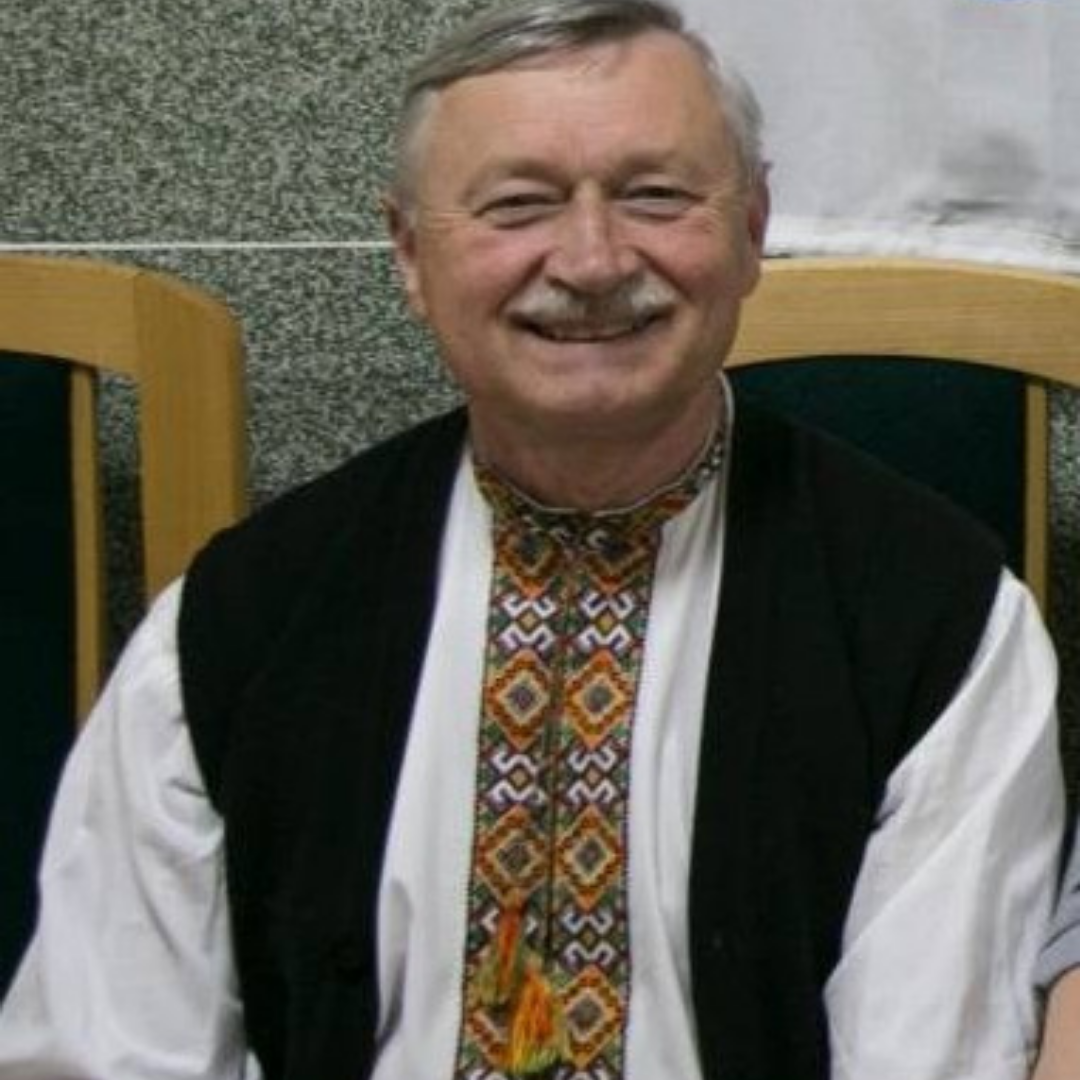
It is with great sadness that the Coalition Clean Baltic shares the news of the passing of Petro Hrytsyshyn, a long-standing colleague, environmentalist and true friend of the CCB family. The hospitality and warmth with which he embraced each and every one of us in Lviv will always be an example of genuine and close relation and lasting, professional friendship. For many years, Petro was Director of the Western Centre of the Ukrainian Branch of the International Centre for Scientific Culture – World Laboratory, one of CCB’s oldest member organisations in Ukraine. But it is the role he played in our family of environmental NGOs in the Baltic Sea Region that we will remember him for. Petro was one of the people who helped build, connect and sustain the international environmental community of which CCB is a part. For decades, he worked across borders and disciplines, bringing together scientific knowledge, environmental organisations, local communities and international partners around a shared belief that environmental challenges can be met through cooperation, practical solutions and persistence. Within CCB, Petro was a familiar and valued presence at conferences, seminars and joint activities over many years, representing Ukraine and the Western Centre while also contributing his own knowledge and experience to the wider Baltic Sea community. He hosted numerous CCB activities in Lviv and shared his expertise on the issues closest to him: water protection, sustainable sanitation, ecological safety and sustainable agriculture. He also represented the Western Centre in international environmental processes, contributing to discussions on environmental protection, water management and sustainable development. What made Petro's contribution especially important was that he understood environmental protection not only as a matter of policy or science, but as something that had to work in practice, on the ground. His work on ecological sanitation and wastewater management, for example, sought practical ways of reducing pollution and protecting water resources in rural areas of Ukraine. He continued this work into recent years. In 2023, Petro was among the experts contributing to CCB's analysis of the Greatest Water Management Challenges in the Baltic Sea Region, bringing the Ukrainian perspective into a broader regional assessment. More recently, he contributed to the Green Recovery Plan for the Ukrainian part of the Vistula River Basin, including the Western Bug and Syan sub-basins – work that reflected the qualities of his whole career: international cooperation, practical environmental knowledge and a commitment to the future of Ukraine's rivers and communities. For those of us who worked with him, however, his legacy is not only projects, publications and meetings. In a network such as CCB, people are the foundation of cooperation, and Petro was one of those people who kept the connections alive through changing political circumstances, new environmental challenges and difficult times that Ukraine faces as a result of Russia’s unprecedented war of aggression. He represented a generation of environmental professionals and civil society activists who understood that lasting environmental progress depends on solidarity, openness and the willingness to work together across borders. His long commitment to cooperation between Ukrainian and European environmental organisations was an important part of that legacy. CCB is grateful for the many years of cooperation with Petro, for his knowledge and commitment, for his hospitality and friendship, and for the bridges he helped build between people and organisations working for a healthier environment. Our thoughts are with his family, friends, colleagues and all those who had the privilege of knowing and working with him. Petro Hrytsyshyn 1951–2026 May the memory of Petro Mykhaylovych remain with all of us who continue the work to which he devoted so much of his life.
We support the Ocean Act objectives for improving coherence, coordination and effectiveness of EU ocean governance. However, we emphasize that the Act must deliver truly ecosystem-based management and that reaching Good Environmental Status (GES), as defined in the Marine Strategy Framework Directive (MSFD), should be established as a cornerstone of the Act.
Our funders
The content of this website is the sole responsibility of CCB and can under no circumstances be regarded as reflecting the position of the funders.