Baltic Chemical Tanker project
2025-2027
The Chemical Tanker Project seeks to reduce the discharge of hazardous substances into the Baltic Sea caused by tank washing by chemical tankers.
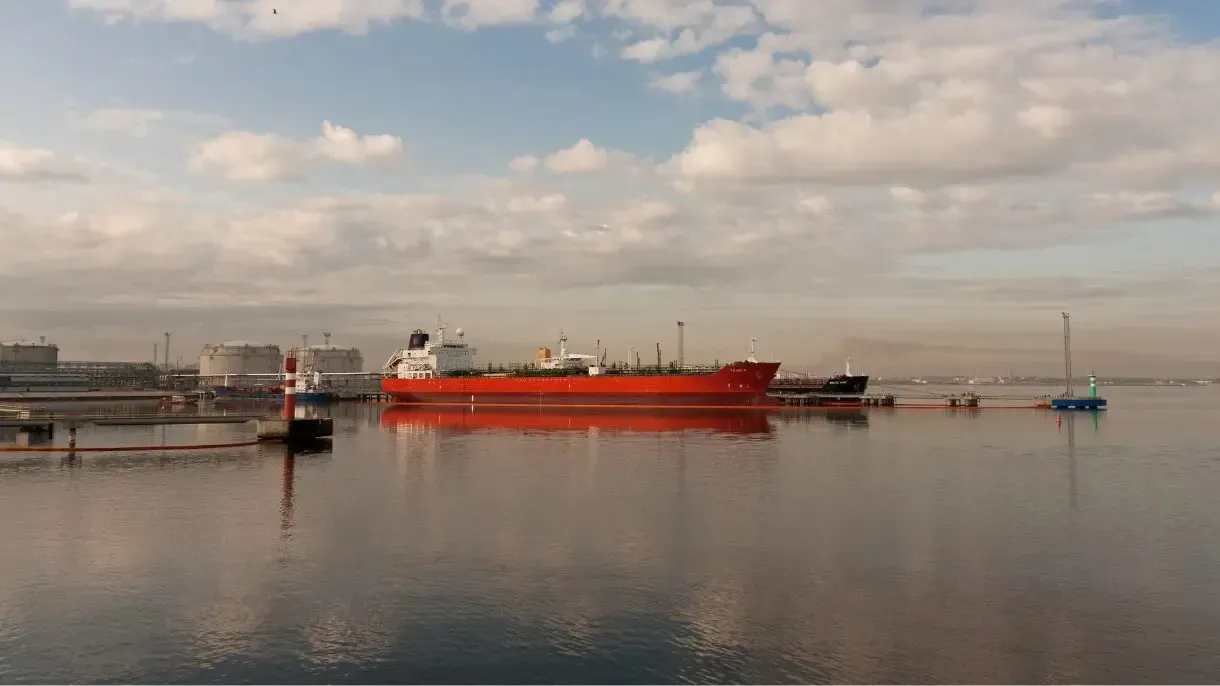
Picture: Ilkka Lastumäki
OVERVIEW OF THE PROJECT
The Baltic Sea is one of the busiest maritime areas in the world with around 2,000 cargo vessels sailing its waters at any given time. Chemical tankers carrying raw materials and products for the chemical industry sail the Baltic Sea daily. According to existing legislation, chemical tankers may wash their tanks offshore, which means that chemical residue from the tanks ends up in the sea with the washing water.
The Baltic Sea is a shallow area with slow water exchange. As a result, hazardous substances remain in the Baltic Sea for a long time and can accumulate in ecosystems. The Baltic Marine Environment Protection Commission (HELCOM) has evaluated hazardous substances to be one of the greatest threats to the Baltic Sea marine ecosystem alongside eutrophication.
The Chemical Tanker Project (2022-2025) produced the first risk assessment of hazardous substances at Finnish ports, and investigation work was initiated in Sweden. With the Baltic Chemical Tanker Project, we’re now scaling the good practice to other Baltic Sea coastal states. The Baltic Chemical Tanker project aims to halve the emission of identified high–risk chemicals through voluntary collaboration with companies. We are increasing awareness of transport chain emissions among chemical industry companies and supporting companies to process tank washing water on shore.
Together with companies, we are working to find the best practices for the shore-side processing of tank washing water. In most cases, cargo residues can be recovered from tank washing water and utilised in processes to save valuable raw materials.
We are carrying out this project in cooperation with the John Nurminen Foundation.
BALTIC CHEMICAL TANKER PROJECT IN A NUTSHELL
What is the main goal of the Project?
The Chemical Tanker Project aims to reduce the discharge of hazardous substances into the Baltic Sea caused by tank washing by chemical tankers.
How the project is implemented?
At the start of the project, we drew up a risk assessment used to identify the most hazardous chemical emissions associated with the discharge of tank washing water from chemical tankers unloading their cargo at every Baltic Sea port that handles chemicals.
We are collaborating with chemical industry companies, ports and shipping companies to find and implement solutions for reducing the discharge of hazardous substances into the Baltic Sea.
What is the expected impact?
The implementation of best practices for the shore-side processing of tank washing water and stricter international maritime environment regulation in place.
For more information:
CCB Secretariat: secretariat (at) ccb.se
The project is supported by the EU Strategy for the Baltic Sea Region Policy Area ‘Ship’, as it has been recognised to align well with its objectives and actions which aim to decrease emissions, support research and in particular development of shore-side facilities to enable sustainable shipping practices.
The project is funded by NEFCO’s (the Nordic Green Bank) Baltic Sea Action Plan (BSAP) fund.
We continue to act, do you want to know more?
We work in the entire Baltic Sea region with different projects and programmes.
Click the button below to discover what is going on and how you can help.