Halfway to 2030: the Baltic Sea cannot afford another missing deadline
CCB • November 6, 2026

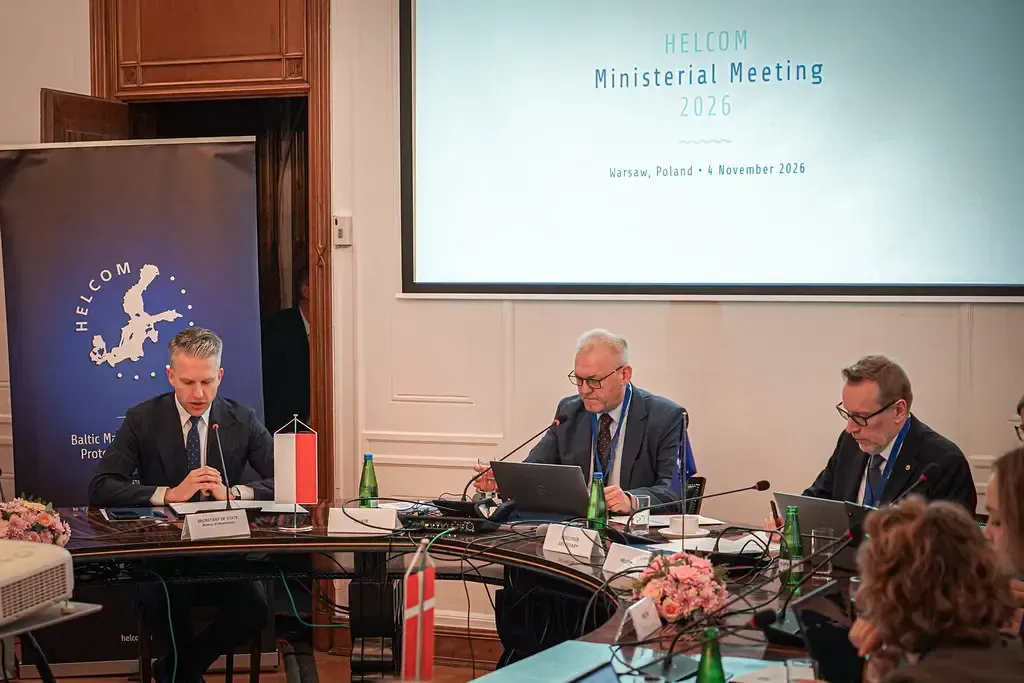
Nearly 20 years after Baltic Sea countries first agreed in Poland on a plan to save a degrading Baltic Sea, ministers met on Wednesday in Warsaw for the 2026 HELCOM Ministerial Meeting. At the halfway point of the 2021 Baltic Sea Action Plan (BSAP) [1] most actions remain only partially accomplished, and the Baltic Sea is still in a poor state [2]. WWF and Coalition Clean Baltic (CCB) are deeply disappointed that the meeting concluded without the adoption of a Ministerial Declaration. Without a clear acceleration in implementation, the 2030 targets risk being missed – just as many of the 2021 targets were. While ministers voiced their support for continued regional cooperation through HELCOM, regional agreements only help the sea once countries carry them out – and every country must play its part.


The meeting reviewed progress in implementing the BSAP’s 199 actions but concluded without adoption of the anticipated Warsaw Ministerial Declaration. A ministerial declaration would have provided an important political signal on how countries intend to accelerate implementation of the BSAP and shape regional cooperation beyond 2030
[3]. The absence of a declaration makes delivery of existing commitments even more important.


Commitments must be matched by action


The first Baltic Sea Action Plan was adopted in Kraków in November 2007, with the goal of a healthy Baltic Sea by 2021. That goal was not reached: by 2021, only around a quarter of the plan’s national actions had been implemented by all countries [4]. Half-way through the implementation of the updated action plan – the 2021 BSAP, the majority of actions are still only partially accomplished [5]. With just over four years left until 2030, the region is on track to repeat history. Most BSAP actions are carried out nationally, and the responsibility for delivering them lies with each Contracting Party. Warsaw must not become another stop on the same road – this time, commitments must be matched by delivery. Strengthening the implementation of the BSAP is a priority of the new Polish presidency of HELCOM [6]. 
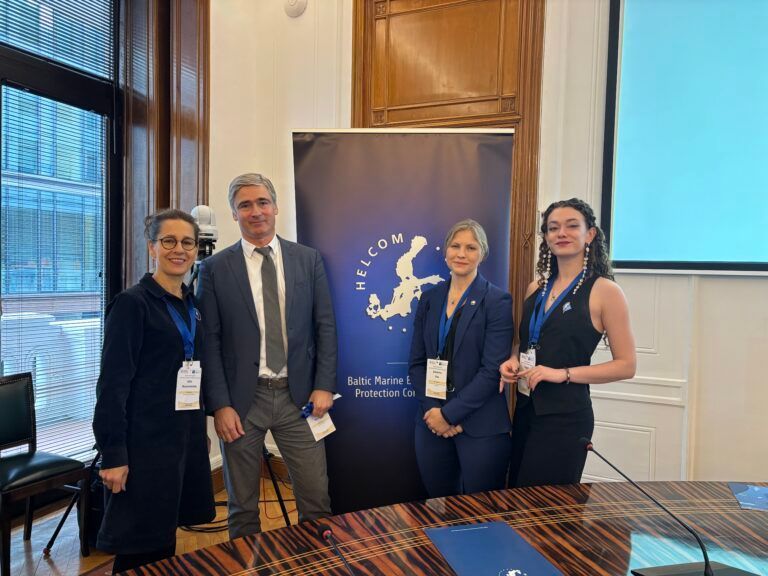
At the Ministerial Meeting, WWF and CCB delivered a well-received oral statement together with John Nurminen Foundation (JNF) and Race For The Baltic (RFTB) to highlight the importance of regional cooperation and the need to turn long-standing commitments into concrete action. The written statement submitted by CCB can be found here.

“The Baltic Sea is at a crossroads. While the lack of a Ministerial Declaration is a disappointing outcome, ministers’ support for continued regional cooperation confirms that HELCOM remains a vital platform for restoring the sea. With only four years to 2030, countries must now turn commitments into action and provide the financing and resources needed to deliver on the BSAP,” says Johanna Fox, Programme Director, WWF Baltic Sea Programme.  


In a time of geopolitical uncertainty, economic pressure and competing priorities, the Baltic Sea’s problems cross borders – and so must the solutions. Regional cooperation matters more than ever. Delivering the BSAP would not only secure a healthy sea but also help Member States implement EU environmental law at the scale of the whole sea basin. Through shared standards, monitoring, peer learning and transparent follow-up, HELCOM can align measures across borders and show where action is most needed. WWF and CCB urge all Contracting Parties to treat HELCOM as the strategic asset it is, now and beyond 2030.  


Restoration needs action on the ground


Decades of regional cooperation have delivered real results, including removal of nutrient hotspots and recovery of species like the white-tailed eagle [7]. Yet the overall state of the Baltic Sea remains critical. Reducing pressures must therefore be stepped up – on land, through agricultural policies and restoration of wetlands and rivers, and at sea, by reducing damaging maritime activities – such as through precautionary, low-impact fishing – and through effectively managed marine protected areas. But many ecosystems have degraded to the point where they will not recover on their own. Active restoration is needed at scale, in combination with pressure reduction efforts to help make recovery last.  


To support this, the Ministerial Meeting was expected to adopt the anticipated HELCOM Regional Action Plan for Benthic Habitat Restoration (HELCOM RAP), but it was postponed.  WWF and CCB urge Contracting Parties to adopt the plan without further delay. Habitats, species and pressures do not respect borders, and WWF and CCB welcome the plan as an important tool for regional coordination – something the EU Nature Restoration Regulation also requires [8]. But adoption alone will not restore a single habitat: concrete actions on the ground are up to the Contracting Parties.  


“The adoption of the restoration action plan would have been a much-needed commitment, but it is the starting line, not the finish. Its success will be measured in restored seagrass meadows and mussel reefs at sea, but also wetlands and rivers – in the catchment – and that depends on what each country does next,” says Regan McEnroe, Co-Chair, Coalition Clean Baltic. 


Ministers must turn promises into action, despite failing to adopt a Warsaw Ministerial Declaration.  


WWF and CCB call on HELCOM Contracting Parties to:  

  • Commit to delivering all remaining BSAP actions by 2030, backed by the financing and resources needed and a clear plan to catch up on lagging actions.  
  • Strengthen HELCOM as the regional platform for cooperation and coherent implementation of EU environmental law in the Baltic Sea.  
  • Ensure that any decision on the BSAP beyond 2030 strengthens follow-up and accountability rather than delaying current delivery.  
  • Adopt the Regional Action Plan for Benthic Habitat Restoration and commit to implementing it without delay, using HELCOM to coordinate National Restoration Plans across borders under the EU Nature Restoration Regulation.  
  • Commit to stepping up pressure reduction as the foundation for recovery – above all by cutting nutrient losses from agriculture and by delivering effectively managed marine protected areas covering at least 30% of the sea, one third of it strictly protected.  


While ministers reaffirmed support for working together through HELCOM, the failure to adopt a Ministerial Declaration leaves no room for complacency. The Baltic Sea countries must now show through implementation, financing and accountability that they are serious about delivering a healthy Baltic Sea by 2030. 


END

NOTES 

[1] Baltic Sea Action Plan (BSAP): HELCOM’s programme of measures and actions for achieving a healthy Baltic Sea, first adopted in 2007 and updated in 2021. The updated BSAP contains 199 actions to be implemented by 2030 at the latest, split across the topics of biodiversity, eutrophication, hazardous substances and litter, and sea-based activities.   

[2] HELCOM (2026). 2025 Implementation Report of HELCOM Baltic Sea Action Plan  

[3] HELCOM 2026 Ministerial Meeting, Warsaw. HELCOM Ministerial Meetings bring together every few years responsible ministers of the Baltic Sea countries and the EU Commissioner for Environment and results in adoption of a political declaration.   

[4] HELCOM (2021). Implementation of the 2007 Baltic Sea Action Plan  

[5] 2025_Implementation_report_HELCOM_BSAP.pdf 

[6] Priorities of the Polish Presidency of the Helsinki Commission (HELCOM), July 2026 – June 2028  

[7] HELCOM (2023). State of the Baltic Sea 2023 – Third HELCOM holistic assessment 2016-2021.  

[8] EU Nature Restoration Regulation: The Nature Restoration Regulation (Regulation (EU) 2024/1991) entered into force in August 2024. It requires EU Member States to put restoration measures in place on at least 20% of the EU’s land and sea areas by 2030, and on all ecosystems in need of restoration by 2050. Each Member State sets out how it will meet these targets in a National Restoration Plan, with drafts due to the European Commission by 1 September 2026. Eight of the nine Baltic Sea countries are EU Member States. So far, only 1 Baltic Sea country has submitted their final draft plan to the Commission.
By CCB • November 6, 2026
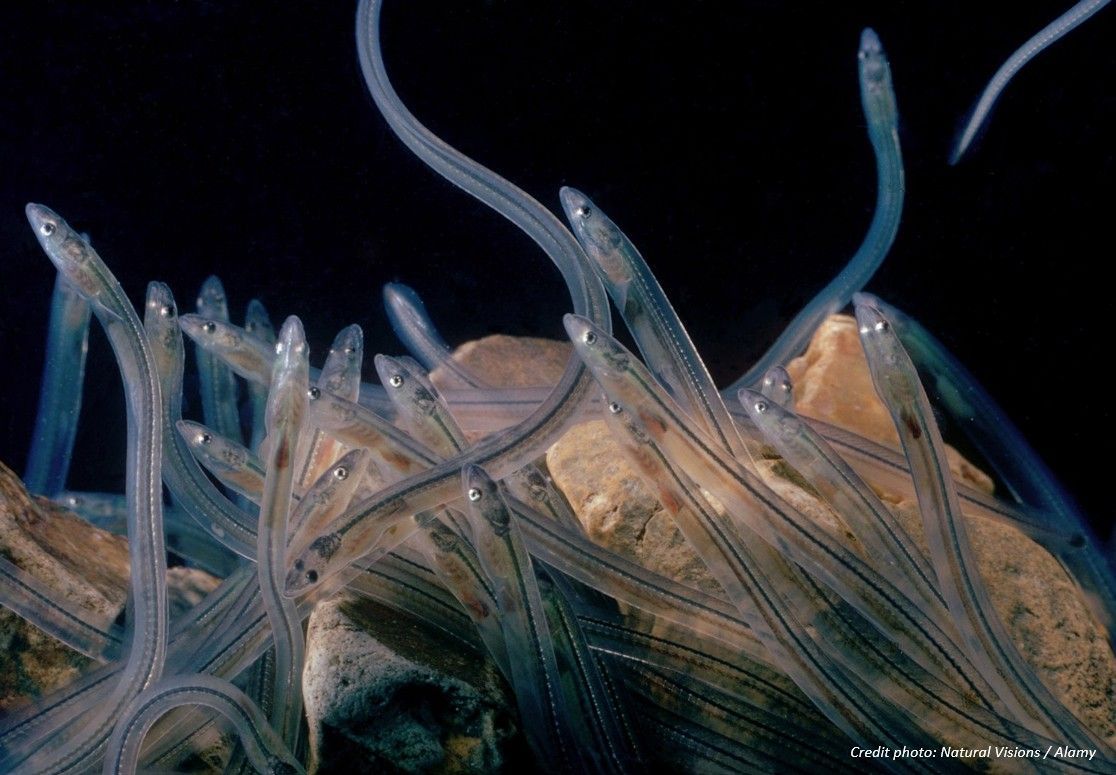
Widespread exploitation of the critically endangered European eel population continues against scientific advice, despite no signs of recovery. Today, the International Council for Exploration of the Sea, ICES, published its scientific advice on fishing opportunities and conservation for European eel for 2027. As in previous years, ICES advises zero catch for all life stages, all uses and in all habitats. Despite very clear advice, over 1,500 tonnes were landed commercially in the EU in 2025 with an additional > 300 tonnes taken in recreational fisheries. The scientific advice on European eel requested by the EU, the UK and Norway makes very clear that no catches can be considered sustainable and that the “zero catch” also applies to glass eel landings used for restocking and aquaculture. Given the state of the eel population, ICES advises that all other anthropogenic impacts, such as pumping stations, hydropower and pollution, should also be zero. The European eel (Anguilla anguilla) has been listed as Critically Endangered by IUCN since 2008, and is on the European Red List for freshwater fish. It is also included in Appendix II of the Convention on the Conservation of Migratory Species of Wild Animals (CMS) and listed in Appendix II of the Convention on International Trade in Endangered Species of Wild Fauna and Flora (CITES) since 2007. Despite the need for protection and efforts to aid its recovery, European eel continues to be fished across most of its natural range. In the past decade, total reported commercial landings of yellow and silver eel have remained above 2 000 tonnes per year; with several countries reporting annual landings of over 100 tonnes. In 2025, reported commercial glass eel landings were 57.1 tonnes. Where available, estimates of national recreational landings of yellow and silver eels show that they can be of the same order of magnitude as those of commercial fisheries. All in contradiction with the scientific advice. Only Ireland, Slovenia, Malta and Norway have closed all fishing for the species. In the EU, the Council Regulation (EC) No 1100/2007 establishing measures for the recovery of the stock of European eel was adopted in 2007 – almost 20 years ago. Since then, there has been some fluctuations in the very low levels of recruitment and yellow eel index, but no recovery. For 2026, levels are extremely low again with the recruitment index for “Elsewhere Europe” at 6.4 % and North Sea at 1.2 % of the 1960–1979 reference level, respectively. – One has to wonder when European eel will be considered critically endangered enough for this exploitation to stop, says Niki Sporrong, Senior Policy Advisor for Migratory Fish at Coalition Clean Baltic. When will the obligation to protect and restore the population set out both in EU law and international agreements be prioritised? Measures to aid eel recovery have been agreed and implemented across and beyond the EU. Mediterranean long-term management measures for European eel were agreed in 2024 under the General Fisheries Committee for the Mediterranean (GFCM). Eel fishing closures, together with a complete ban of recreational fishing, intended to protect eel migration and recruitment have been adopted in EU marine waters, but their application has had insufficient effects on fishing mortality so far. Trade in European eel is regulated under CITES, and only earlier this year a Single Species Action Plan for the full range of the population was adopted by CMS. But without properly addressing key threats such as fishing, migration barriers and habitat loss it is hard to see how even the resilient eel will be able to survive combined pressures further exacerbated by climate change. – Exploitation of European eel continues against scientific advice, says Niki Sporrong. Agreed EU objectives for the rebuilding of fish stocks and biodiversity are simply not applied to this remarkable species. Urgent measures to minimise eel mortality must be implemented now, in both national, EU and international waters. —END— Notes to editors: [1] The European eel (Anguilla anguilla) population has been declining for a long time and is classified as Critically Endangered by the International Union for Conservation of Nature (IUCN, 2018). [2] The International Council for the Exploration of the Sea (ICES) data on recruitment shows a dramatic decline since the assessment baseline (1960-1979), and no significant recovery. Glass eel recruitment continues to be very low. This year, the preliminary recruitment index for the North Sea area is 1.2 % of the baseline average and for “elsewhere Europe” 6.4 %. Yellow eel recruitment in 2024 was estimated to 16.4 %. [3] Assessment of European eel is complex due to the great geographical range of the population, including a number of countries outside of the ICES areas. This makes it impossible for ICES to use fishing mortality, Maximum Sustainable Yield (MSY) and other standard reference points for eel. As data on eel fisheries and other anthropogenic impacts remain incomplete, the assessment is based on time series for glass eel and yellow eel recruitment. Even without defined biological limit reference points, it is ICES’s assessment that the European eel population remains well below any potential reference points, such as Blim. [4] ICES has advised that all anthropogenic mortality should be kept as close to zero as possible since 2003 (ICES, 2020). Since 2021, the advice has changed to zero for all anthropogenic mortalities, including all fishing. [5] A Council Regulation (1100/2007) establishing measures for the recovery of the stock of European eel was agreed in 2007. Since then, almost 20 years after its adoption, no notable recovery has been observed in the European eel population. [6] Only three EU countries – Ireland, Malta and Slovenia – have prohibited all fishing for the European eel , despite the fact that it is also on the European Red List of Freshwater Fishes. Six EU countries still landed over 100 tonnes in 2025 : the Netherlands (428 t), France (361 t), Germany [extrapolated from latest reported landings of >200 t], Denmark (126 t), Poland (120 t) and Sweden (114 t). Outside of the EU, Turkey (267 t) also reported landings over 100 tonnes. Egypt, which has a substantial fishery for European eel and mainly targets yellow and silver eel, does not report any data to ICES and is not included in the overall estimates. [7] Trends in landings – reported commercial landings of yellow and silver eel continue to fall overall. In 2024, landings were 2,074 tonnes and in 2025, landings were around 1,922 tonnes, if we assume that Germany landed >200 tonnes based on landings from recent years. However, France and Denmark stand out in 2025 for increasing reported commercial landings compared to the previous year, and the Netherlands for significantly increasing landings since the EU eel regulation was adopted. [8] EU glass eel landings – in 2026, reported commercial landings of glass eel, a fishery completely dominated by France, were at 53 tonnes. In France, landings have been increasing since 2011 with a peak at 54.5 tonnes in 2022. This year, France reported landings of 48.3 tonnes (prel. figures) – 91% of the EU catch. After Brexit, UK landings have fallen dramatically, from more than 3 tonnes to 0.6 tonnes in 2025. Spain is the only country still fishing for glass eel in the Mediterranean, and the Mediterranean landings almost doubled in 2026. [9] Recreational landings of yellow and silver eel are completely dominated by Germany. Total r eported recreational landings for 2022 – the last year with complete figures – was 550 tonnes. In Germany, recreational landings remain very high , higher than reported commercial landings, with 275 tonnes reported for 2022. This is over half of all reported recreational landings in the EU (52%). [10] Restocking involves catching wild glass eels in one place and letting them go in another, often spreading viruses and disease in the process. It has been used for decades in many countries – not as a conservation measure but in order to sustain fisheries for eel. Despite the prolonged practice, no net benefit to eel reproduction has been proven. In its advice for 2026, ICES notes that “restocking is reliant on a glass eel catch, which is in contradiction with the current advice”. [11] Eels have a complex life cycle , going through several different life stages and generally live for 10–20 years. The very small, translucent eels arriving at European coastlines every year are called glass eels . When they reach brackish or fresh waters, they transform into less transparent elvers , and then grow into yellow eels , which live along our coasts, in rivers and lakes for up to 25 years. When mature, they transform again into silver eels , which will undertake the long journey to the Sargasso Sea to spawn.
By CCB • November 5, 2026
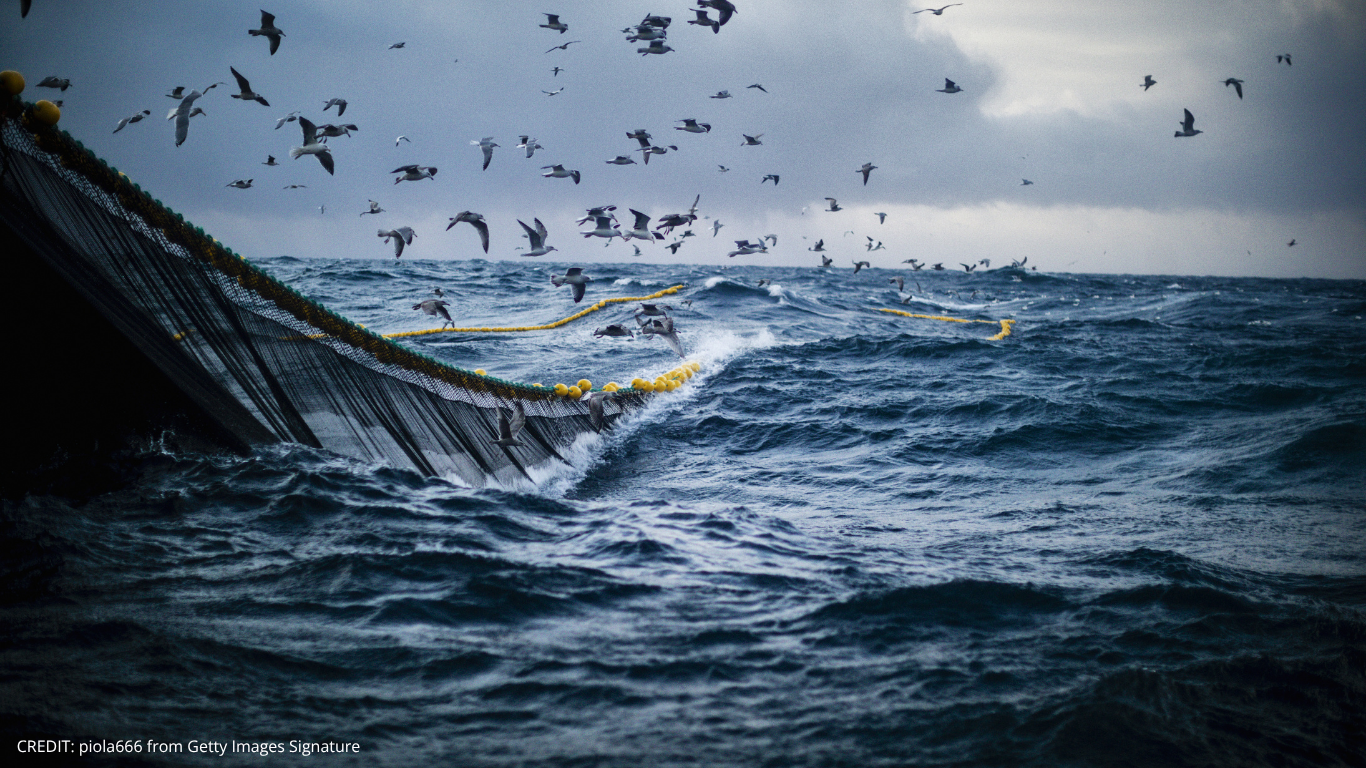
Brussels, 4 November 2026: Environmental NGOs welcome the European Commission’s decision to not include a revision of the Common Fisheries Policy (CFP) in its 2027 Workplan, announced today, and call on the Commission to maintain this course. To improve ocean health and biodiversity, BirdLife, BLOOM, Coalition Clean Baltic, ClientEarth, Environmental Justice Foundation, Oceana, and Seas At Risk urge the Commission to prioritise full implementation and enforcement of the existing CFP to rebuild fish populations, protect marine ecosystems, and secure a sustainable future for fishers and coastal communities. “ The Commission has rightly chosen to follow the findings of its own CFP evaluation , published in April this year, and to focus on holding Member States accountable for implementing the law ”, said the NGOs. “ Reopening a policy that has not yet reached its full potential would halt timely implementation, waste valuable time and delay the meaningful action that European fishers and marine ecosystems urgently need .” A competitive and resilient fisheries sector can only be built on: healthy fish populations; a system that gives a fair share of space and resources to fishers that have a low impact on the marine ecosystem; and a fleet that is enabled to make a just transition to lower environmental impact, reducing dependence on subsidised fossil fuels, and responding properly to the climate crisis. The CFP outlines a precautionary pathway forward, centering fisheries management on scientific advice and ecosystem protection, minimising the impact of fishing on the marine environment while aiming to provide a sustainably sourced food source for people throughout Europe. “ The European Commission must now demonstrate its political ambition by delivering on the CFP, which will allow fish populations to recover, will help achieve food security, along with the wellbeing of European fishers and coastal communities, and protect ocean health ”, said the NGOs. “ With imminent annual fisheries negotiations between the Commission, Member States and third countries, including the UK and Norway, this will be a key opportunity to finally close a major CFP implementation gap by setting fishing limits that are geared towards rebuilding struggling fish populations and fisheries. ” The environmental NGOs call on member states to cooperate with the European Commission on stronger implementation measures to fulfil the objectives of the CFP, and put European citizens and environment at the heart of their position going forward.