In memoriam of Petro Hrytsyshyn
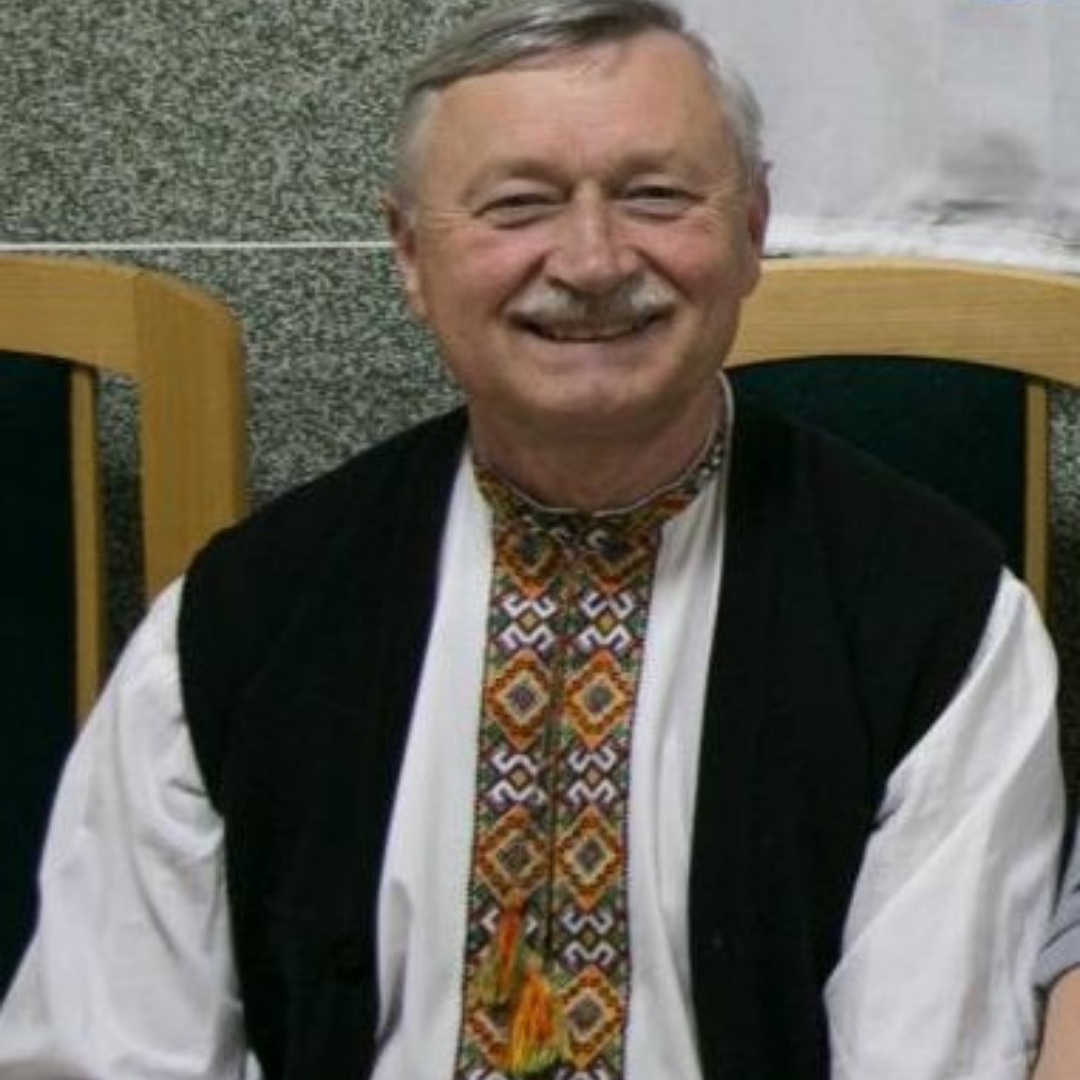
It is with great sadness that the Coalition Clean Baltic shares the news of the passing of Petro Hrytsyshyn, a long-standing colleague, environmentalist and true friend of the CCB family. The hospitality and warmth with which he embraced each and every one of us in Lviv will always be an example of genuine and close relation and lasting, professional friendship.
For many years, Petro was Director of the Western Centre of the Ukrainian Branch of the International Centre for Scientific Culture – World Laboratory, one of CCB’s oldest member organisations in Ukraine. But it is the role he played in our family of environmental NGOs in the Baltic Sea Region that we will remember him for.
Petro was one of the people who helped build, connect and sustain the international environmental community of which CCB is a part. For decades, he worked across borders and disciplines, bringing together scientific knowledge, environmental organisations, local communities and international partners around a shared belief that environmental challenges can be met through cooperation, practical solutions and persistence.
Within CCB, Petro was a familiar and valued presence at conferences, seminars and joint activities over many years, representing Ukraine and the Western Centre while also contributing his own knowledge and experience to the wider Baltic Sea community. He hosted numerous CCB activities in Lviv and shared his expertise on the issues closest to him: water protection, sustainable sanitation, ecological safety and sustainable agriculture. He also represented the Western Centre in international environmental processes, contributing to discussions on environmental protection, water management and sustainable development.
What made Petro's contribution especially important was that he understood environmental protection not only as a matter of policy or science, but as something that had to work in practice, on the ground. His work on ecological sanitation and wastewater management, for example, sought practical ways of reducing pollution and protecting water resources in rural areas of Ukraine.
He continued this work into recent years. In 2023, Petro was among the experts contributing to CCB's analysis of the Greatest Water Management Challenges in the Baltic Sea Region, bringing the Ukrainian perspective into a broader regional assessment. More recently, he contributed to the Green Recovery Plan for the Ukrainian part of the Vistula River Basin, including the Western Bug and Syan sub-basins – work that reflected the qualities of his whole career: international cooperation, practical environmental knowledge and a commitment to the future of Ukraine's rivers and communities.
For those of us who worked with him, however, his legacy is not only projects, publications and meetings. In a network such as CCB, people are the foundation of cooperation, and Petro was one of those people who kept the connections alive through changing political circumstances, new environmental challenges and difficult times that Ukraine faces as a result of Russia’s unprecedented war of aggression.
He represented a generation of environmental professionals and civil society activists who understood that lasting environmental progress depends on solidarity, openness and the willingness to work together across borders. His long commitment to cooperation between Ukrainian and European environmental organisations was an important part of that legacy.
CCB is grateful for the many years of cooperation with Petro, for his knowledge and commitment, for his hospitality and friendship, and for the bridges he helped build between people and organisations working for a healthier environment.
Our thoughts are with his family, friends, colleagues and all those who had the privilege of knowing and working with him.
Petro Hrytsyshyn
1951–2026
May the memory of Petro Mykhaylovych remain with all of us who continue the work to which he devoted so much of his life.