By CCB
•
November 13, 2026
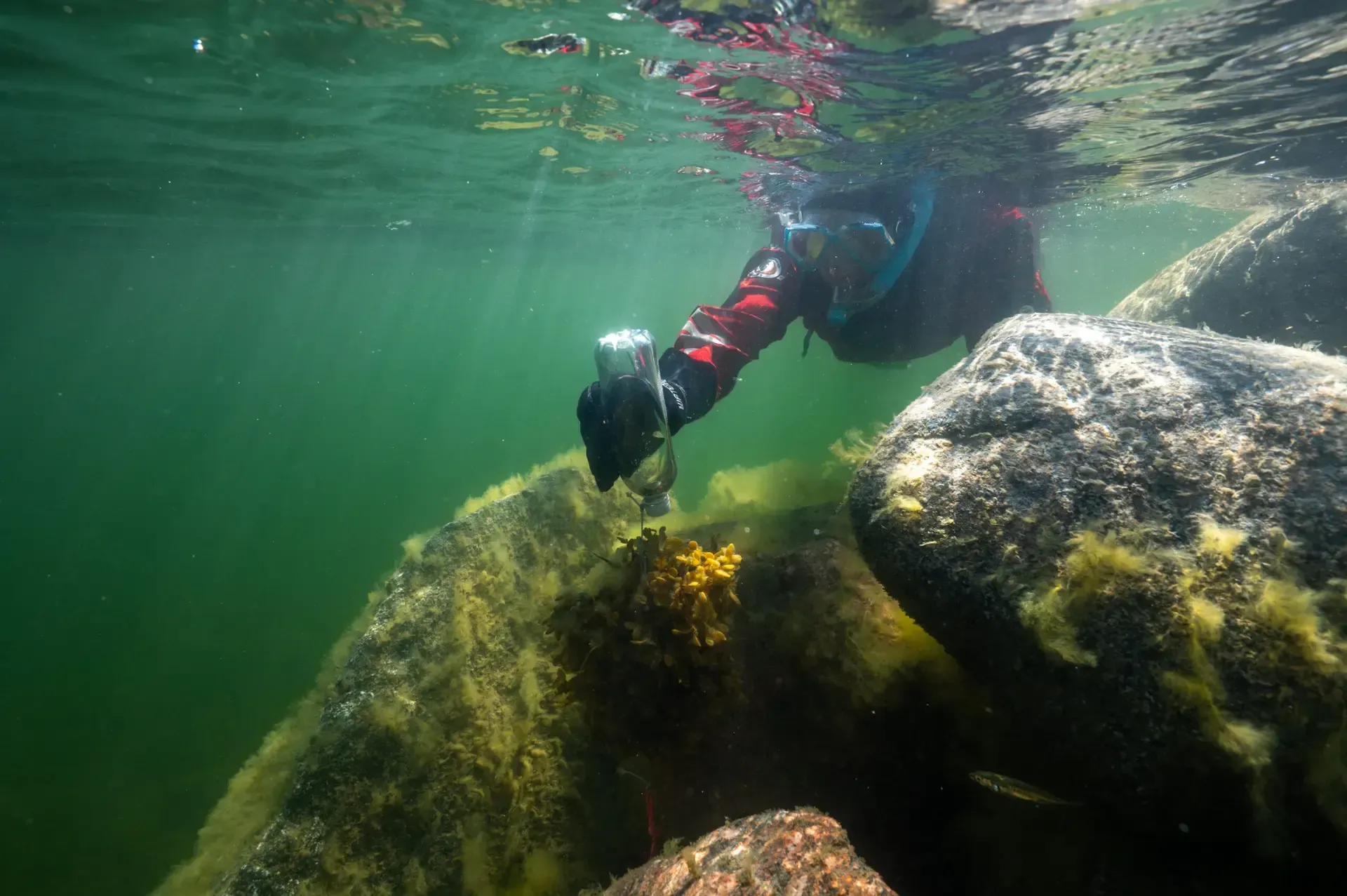
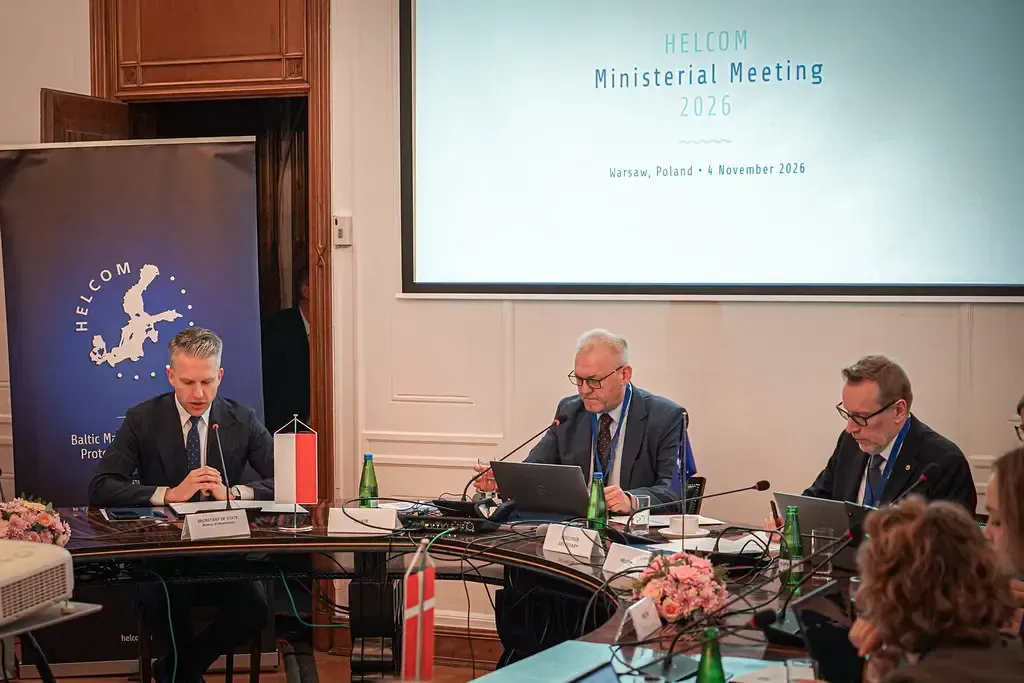
From dam removals in Finland to eelgrass returning in the Stockholm archipelago, restoration in the Baltic Sea is already under way. At a side event alongside the HELCOM Ministerial Meeting in Warsaw on 4 November, WWF and Coalition Clean Baltic (CCB) brought together government officials, farmers, volunteers and civil-society youth representatives to discuss how these local successes can turn into recovery of the entire Baltic Sea region. The event, “Restoring the Baltic Sea: From Local Successes to Regional Recovery” , took place on the same day that ministers ended their meeting without a Ministerial Declaration – leaving the HELCOM Regional Action Plan for Benthic Habitat Restoration unadopted. WWF and CCB hope the plan will be adopted in spring 2027. The event showed why it matters. Opening the event, Mirosław Proppé, CEO of WWF Poland , pointed to WWF’s latest Living Planet Report , which shows that wildlife populations continue to decline, including in the ocean. In our sea, Baltic cod is a stark example of a depleted population. But the report also offers hope: where countries and stakeholders act together, nature can recover, as the comeback of bluefin tuna shows. The Baltic Sea already has strong foundations for the same in decades of regional cooperation through HELCOM and new EU legal requirements to restore nature. Patrick Child, Deputy Director-General for DG Environment at the European Commission , built on this in his keynote. He described restoring the Baltic Sea as a regional necessity rather than a local ambition, and stressed that it requires cooperation between different authorities – which is exactly where HELCOM provides added value. Additionally, he emphasized that we must move away from isolated action and fragmented recovery towards regional measures, enabling genuine recovery of the sea.