CCB's submission to EU call of evidence: Vision 2040 on fisheries and aquaculture

CCB • April 8, 2026

Uppsala, 8 April 2026 - Coalition Clean Baltic (CCB) welcomes the Commission’s initiative for a Vision 2040 for fisheries and aquaculture.

In CCB we feel strongly that such a vision must at the very least include that by 2040:
● Europe's seas are thriving, fish populations are healthy and living in fully restored marine habitats.
● European fisheries and aquaculture operate within the ecological limits of the marine ecosystem and have minimal impact on marine habitats and species, including non-targeted species.
● The fisheries and aquaculture sectors are managed within an ecosystem-based approach.
● The functioning of marine ecosystems and food webs is restored, healthy and climate-resilient. It supports coastal communities and a diverse, low-impact and transparent seafood and coastal economy.
● The EU has fulfilled its role as a global leader in ocean governance — ending overfishing, eliminating harmful subsidies, closing its waters to destructive fishing practices, and ensuring that every seafood product reaching European consumers can be traced to a legal, sustainable, and socially responsible source.
● Other sectors, such as tourism and the recreational sector, that depend on healthy marine ecosystems thrive in parallel, and their role in sustaining socio-economic gains is recognised and supported.

CCB’s full vision 2040 for sustainable fisheries and aquaculture is detailed further
here.
By CCB • November 27, 2026
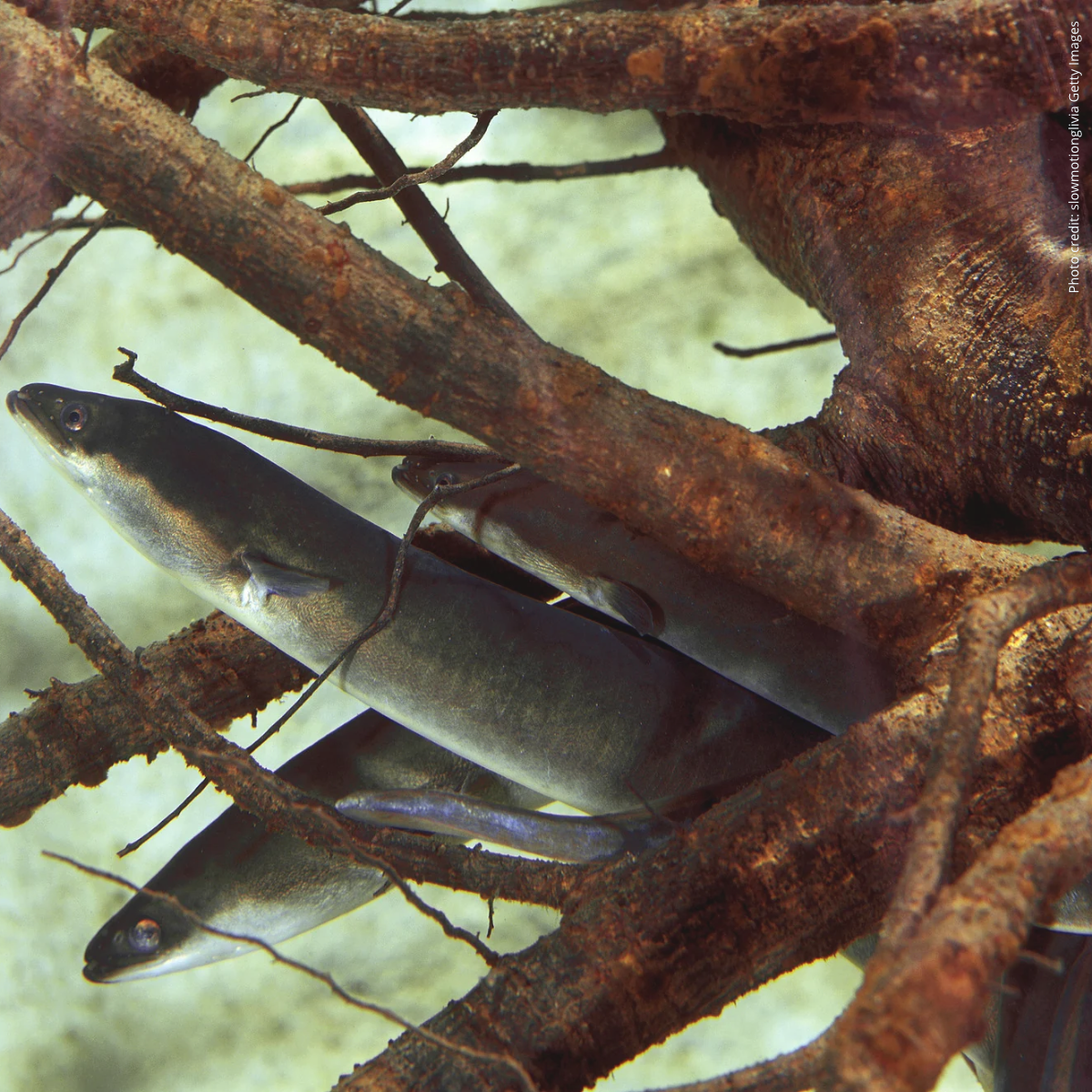
The annual eel fishing closures in EU waters, which set out to protect eel migration, are currently being discussed by the EU Member States in preparation for the December Fisheries Council. The Commission proposals leave the provision for this year unchanged and full of exemptions. For a critically endangered population with a zero catch advice since 2021 this is not sufficient.
By CCB • November 13, 2026
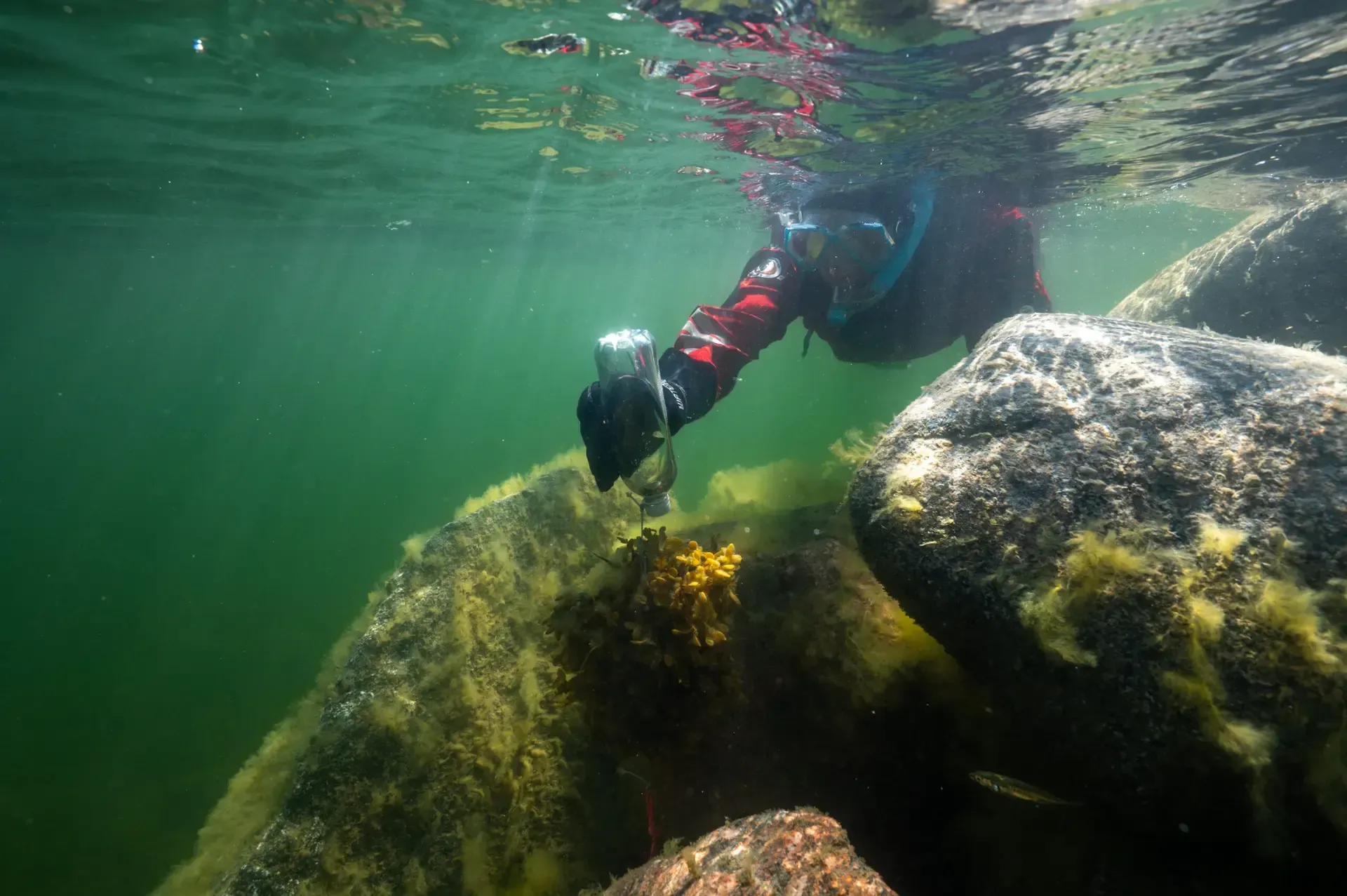
From dam removals in Finland to eelgrass returning in the Stockholm archipelago, restoration in the Baltic Sea is already under way. At a side event alongside the HELCOM Ministerial Meeting in Warsaw on 4 November, WWF and Coalition Clean Baltic (CCB) brought together government officials, farmers, volunteers and civil-society youth representatives to discuss how these local successes can turn into recovery of the entire Baltic Sea region. The event, “Restoring the Baltic Sea: From Local Successes to Regional Recovery” , took place on the same day that ministers ended their meeting without a Ministerial Declaration – leaving the HELCOM Regional Action Plan for Benthic Habitat Restoration unadopted. WWF and CCB hope the plan will be adopted in spring 2027. The event showed why it matters. Opening the event, Mirosław Proppé, CEO of WWF Poland , pointed to WWF’s latest Living Planet Report , which shows that wildlife populations continue to decline, including in the ocean. In our sea, Baltic cod is a stark example of a depleted population. But the report also offers hope: where countries and stakeholders act together, nature can recover, as the comeback of bluefin tuna shows. The Baltic Sea already has strong foundations for the same in decades of regional cooperation through HELCOM and new EU legal requirements to restore nature. Patrick Child, Deputy Director-General for DG Environment at the European Commission , built on this in his keynote. He described restoring the Baltic Sea as a regional necessity rather than a local ambition, and stressed that it requires cooperation between different authorities – which is exactly where HELCOM provides added value. Additionally, he emphasized that we must move away from isolated action and fragmented recovery towards regional measures, enabling genuine recovery of the sea.