Conference
Rebuilding Baltic Sea fish populations - Ocean Week 2026 event
1 October 2026
Rebuilding Baltic Sea fish populations - Ocean Week 2026 event
Conference
Biodiversity
Start date: 1 October 2026
End date: 1 October 2026
Time: 12:00 - 14:00 CET
Place: WWF European Policy Office
Address: 123 Rue du Commerce, 1000 Brussels, Belgium
Description
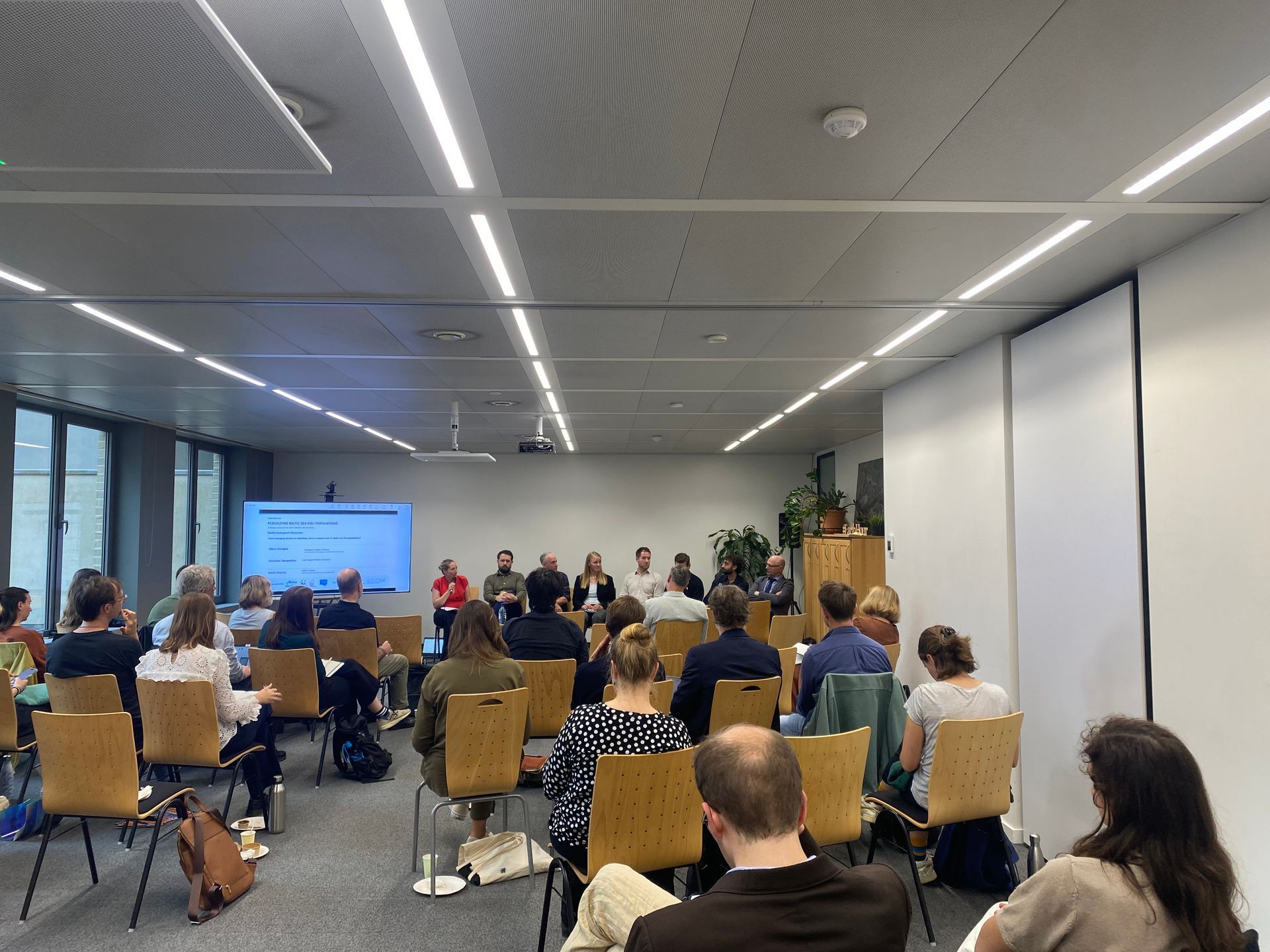
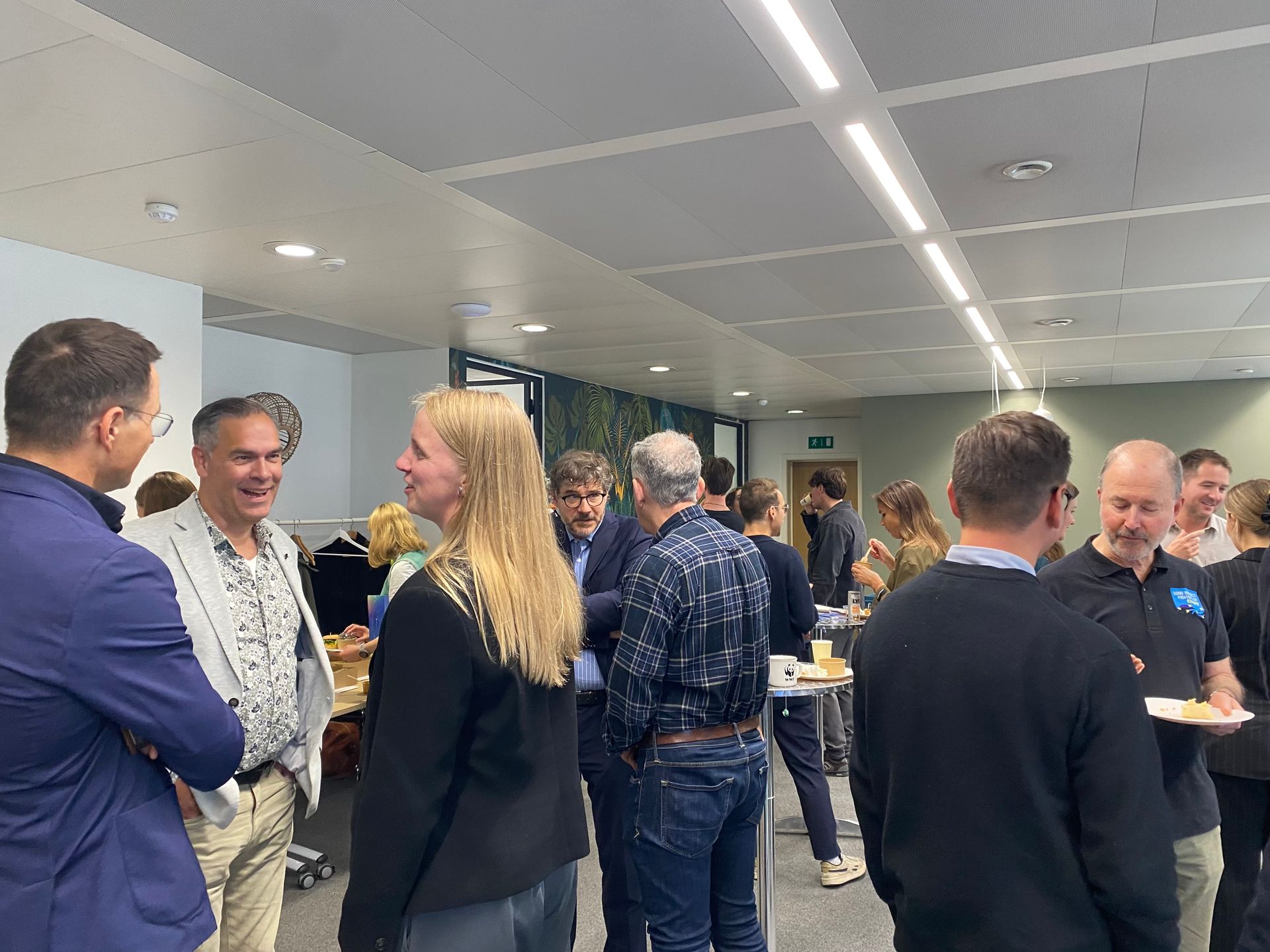
The event "Rebuilding Baltic Sea fish populations - A dialogue across science, policy, fisheries and civil society" took place on 1 October 2026 (12:30-14:00 CET - Registration and light lunch 12:00-12:30 CET) during Ocean Week in Brussels, Belgium. The event was organized by CCB in collaboration with the European Anglers Alliance (EAA), Low Impact Fishers of Europe (LIFE) and WWF Finland.
Several important Baltic Sea fish populations remain depleted or have collapsed. Despite years of restrictive fisheries measures, genuine recovery has often failed to materialise. At the same time, fish populations are affected by a combination of fishing pressure and wider environmental changes, including poor oxygen conditions, climate change, habitat degradation and changes in the Baltic food web.
As policy discussions develop around future rebuilding plans and frameworks to urgently rebuild Baltic Sea fish populations, this event brought together scientists, policymakers, environmental and recreational fisher organisations and small-scale fisher representatives to explore what genuine rebuilding should entail.
The event was intended as a constructive, cross-sectoral exchange exploring areas of agreement, difficult trade-offs and the steps needed to move from managing decline towards enabling true recovery that supports resilient fish populations and viable coastal fishing communities in the Baltic Sea.
Programme
12:00 | Registration and light lunch
12:30 | Welcome and introduction
Why rebuilding Baltic fish populations matters now and how the discussion connects to current EU and HELCOM fisheries policy decisions.
12:35 | Expert perspectives
Contributions on the state of the Baltic ecosystem, scientific perspectives on genuine fish population recovery , the limitations of conventional indicators and reference points for setting fishing opportunities, and the challenges involved in translating rebuilding ambitions into fisheries management.
13:25 | Moderated roundtable dialogue
A cross-sector discussion on how scientific advice, political decisions and stakeholder engagement can work together to create a credible and workable rebuilding plans for Baltic fish populations.
13:45 | Audience discussion
Questions and contributions from participants.
13:57 | Conclusions and next steps
Speakers and panellists
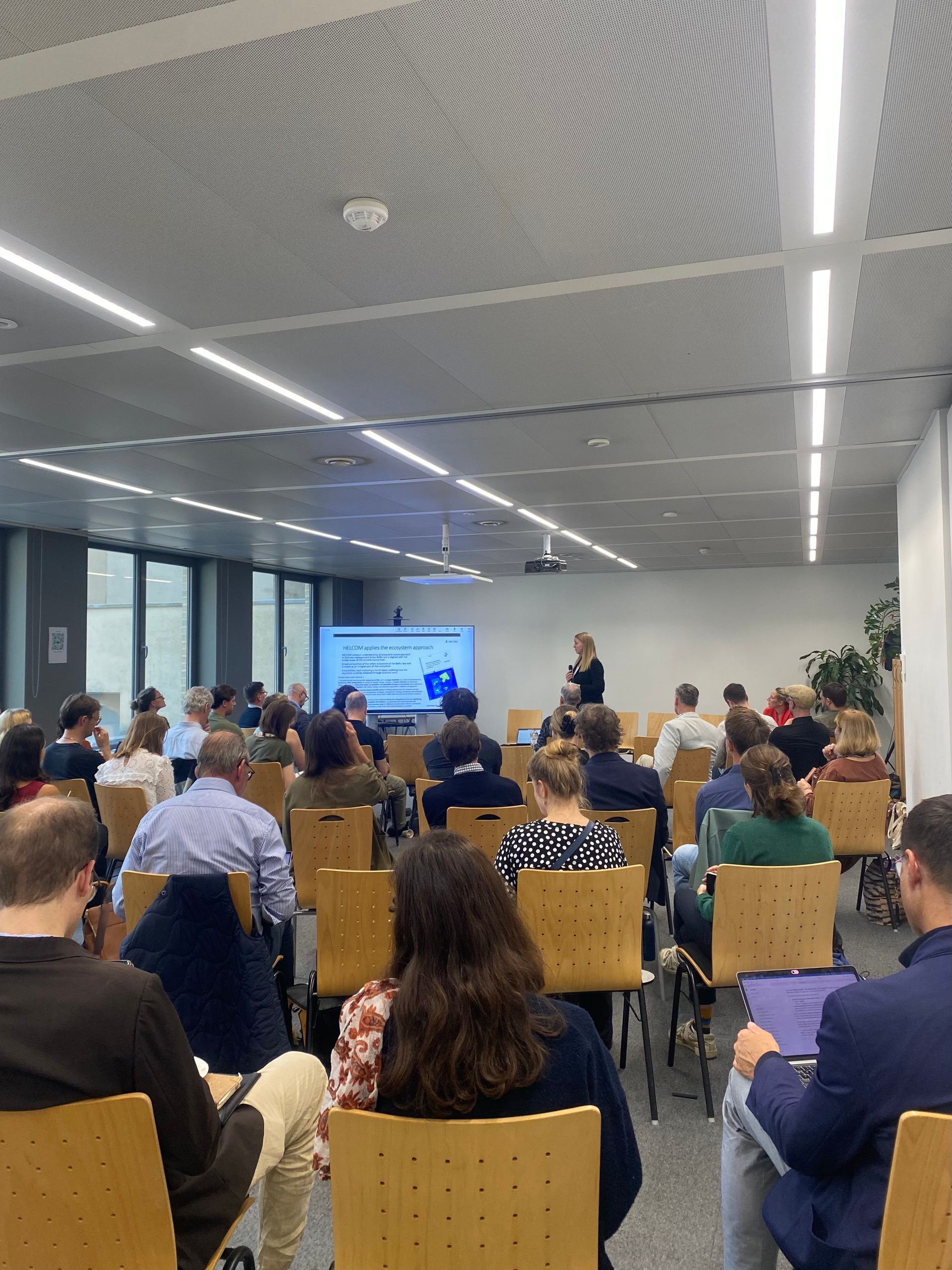
• Lena Avellan, HELCOM Secretariat - Presentation: "State of the Baltic Sea"
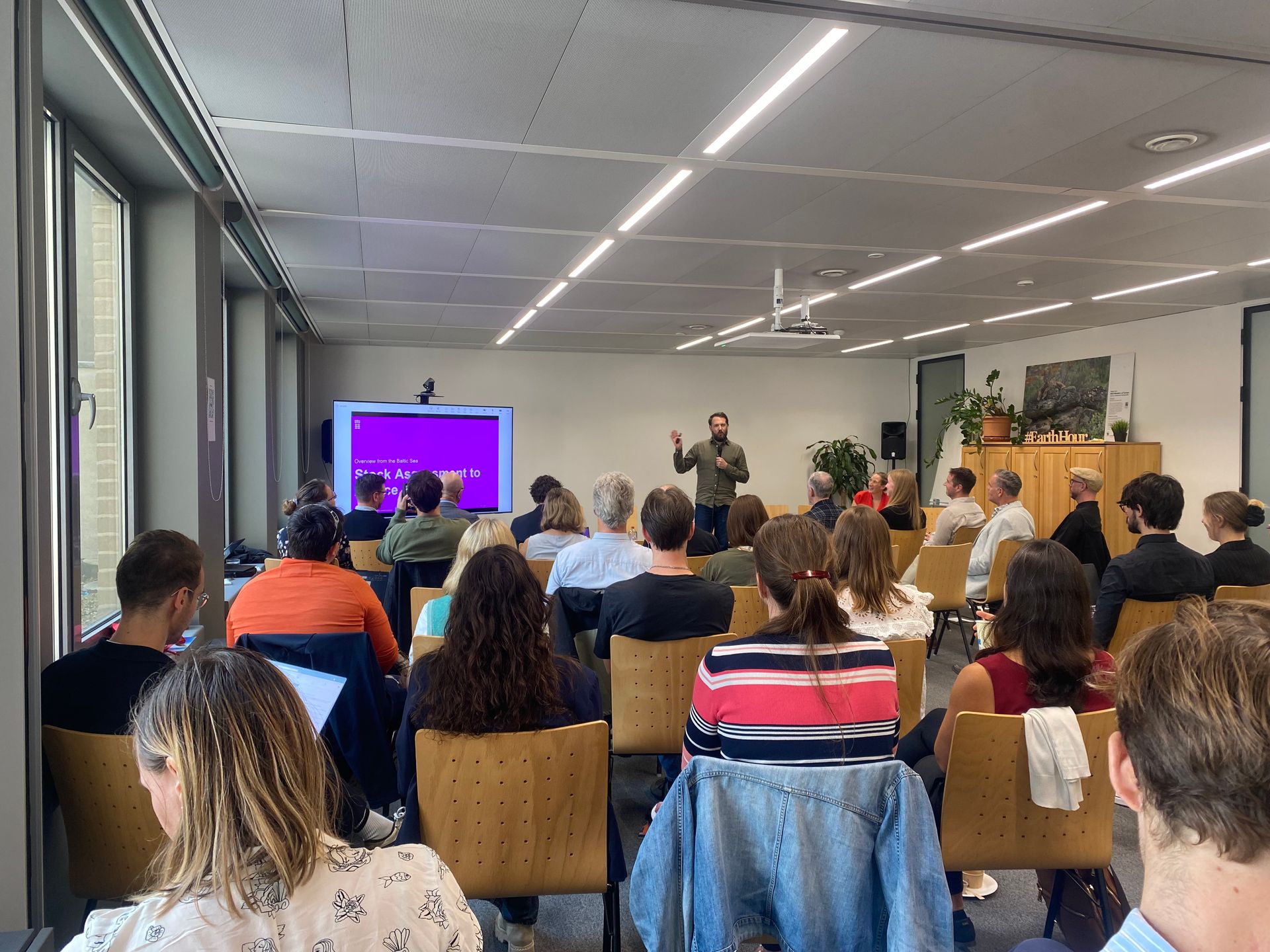
• Elliot Brown, Technical University of Denmark (DTU) & Incoming chair of the ICES WG on Baltic Fisheries Assessment Presentation: "Stock assessment to advice: Overview from the Baltic Sea"
• Christopher Griffiths, Swedish University of Agricultural Sciences (SLU) - Presentation: "Are we jumping the gun on stock recovery in the Baltic Sea?"
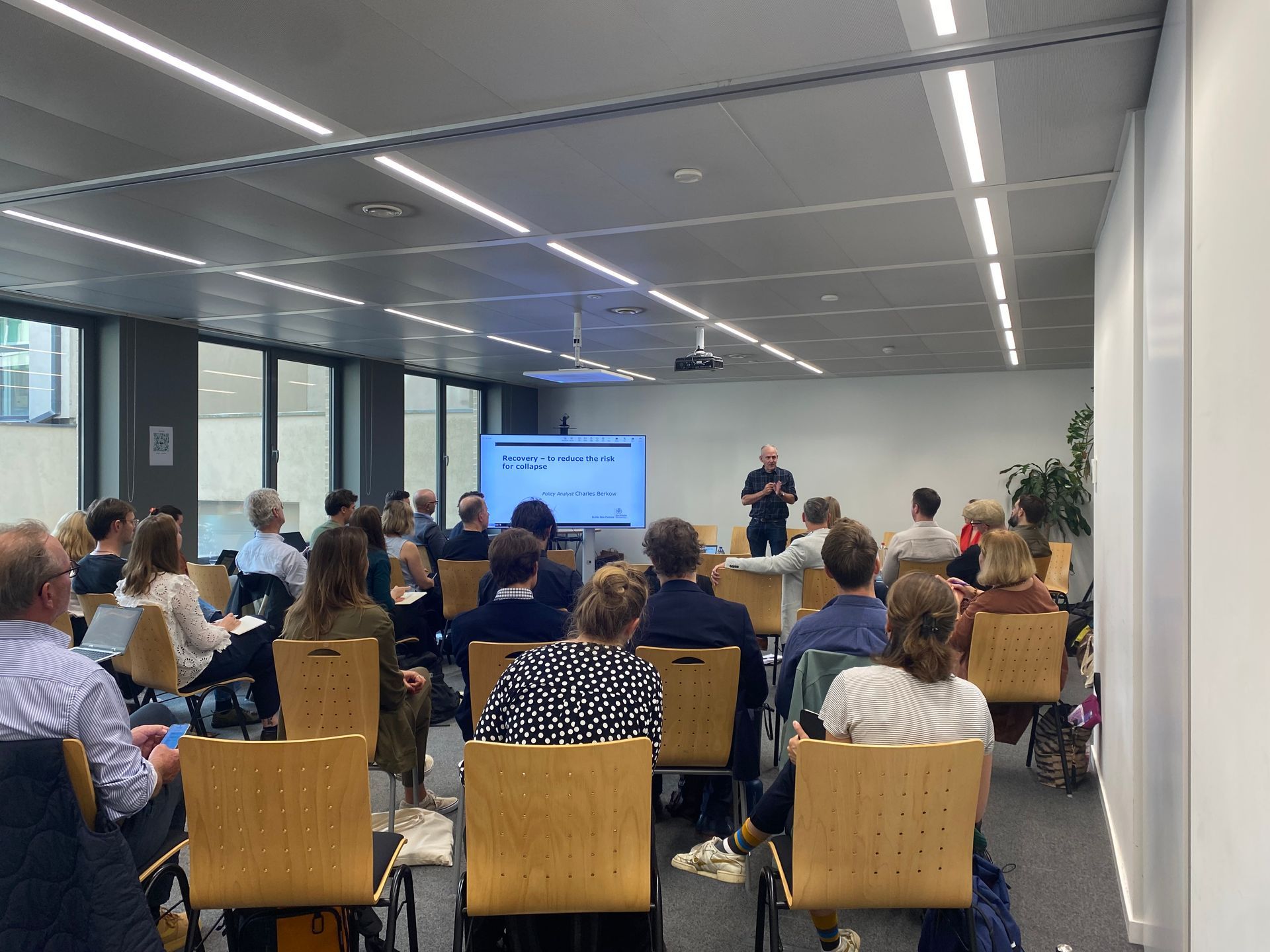
• Charles Berkow, Stockholm University Baltic Sea Centre - Presentation: "Recovery, to reduce the risk of collapse"
• Glenn Douglas, European Anglers Alliance and Chair or the Baltic Sea Advisory Council Science Focus Group
• Christian Tsangarides, Low Impact Fishers of Europe (LIFE)
• Matti Ovaska, WWF Finland
Moderator: Cathrine Pedersen Schirmer, Coalition Clean Baltic
Event summary
Beginning with the state of the Baltic Sea and the pressures affecting its ecosystem and fish populations, the presentations moved to the science behind fish stock assessments and fisheries advice. They then critically examined whether current management targets support rebuilding and maintaining healthy fish populations, before exploring how science informs fisheries policy choices and decisions about risk.
This formed the basis for a panel discussion on how we can collaborate better across sectors to support the recovery of Baltic Sea fish populations, and what needs to improve in the current scientific and management framework. Glenn Douglas, Chair of the BSAC Science Focus Group, presented BSAC’s recommendations for a Baltic Sea stock rebuilding framework, adopted by its Executive Committee, connecting the scientific discussion with concrete proposals for management.
The questions and panel discussion explored how recovery is assessed and how scientific advice, fisheries rules and implementation can better support rebuilding. A central theme was the need for clear rebuilding objectives and targets, as well as a shared understanding of what a healthy fish population means biologically and what recovery means economically for the fishing sector.
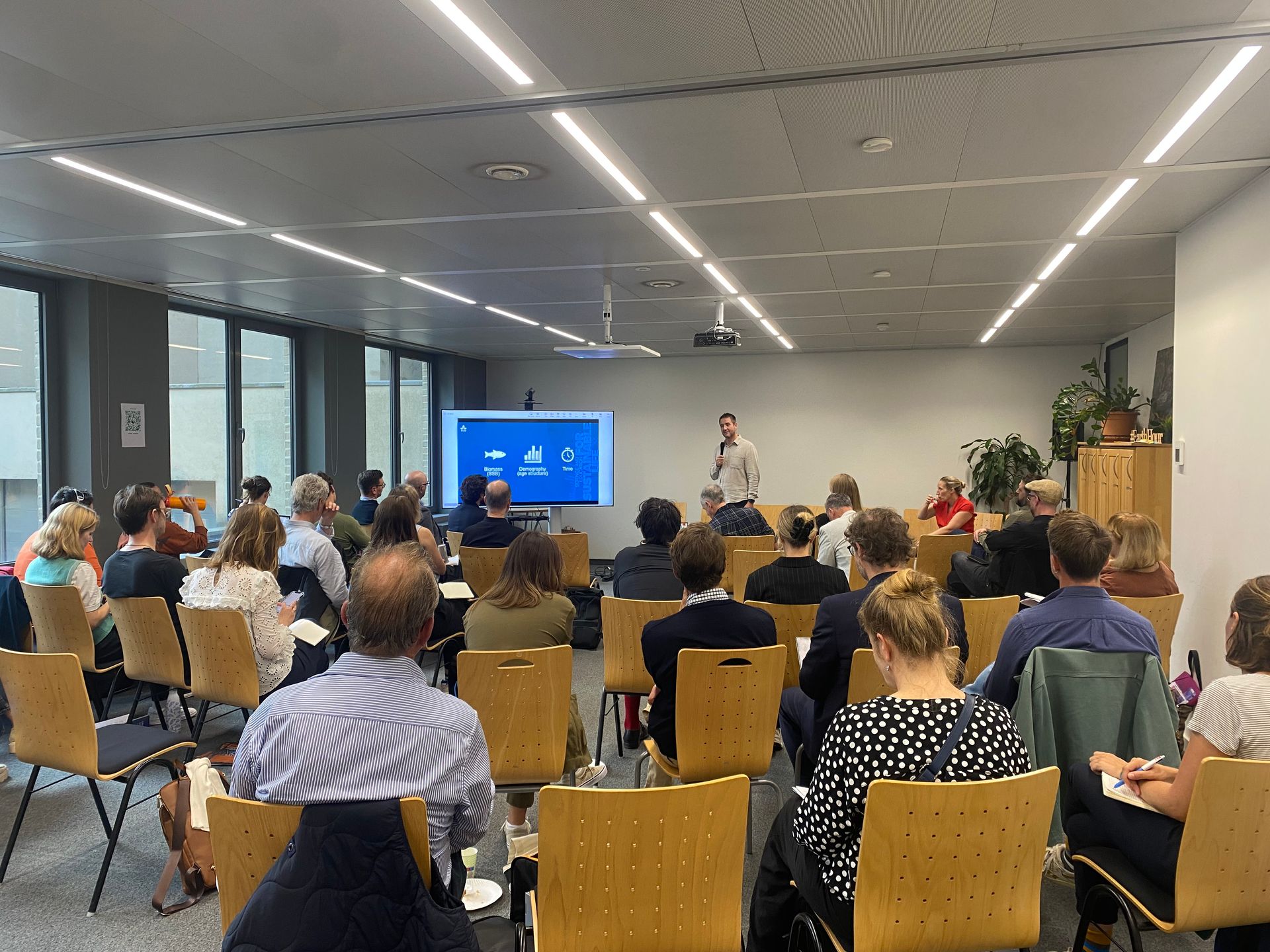
Photos
Credit: Maya Mortensen-Ramlill
Extra info
This was an in-person event and a light lunch (vegan and vegetarian) was provided to the registered participants.
Language: English
Contact: Cathrine Pedersen Schirmer, CCB Senior Fisheries Policy Advisor, cathrine@ccb.se
Funded by

CCB positions reflected in these materials are not automatically transferred and do not reflect HAVs position on these topics
Several important Baltic Sea fish populations remain depleted or have collapsed. Despite years of restrictive fisheries measures, genuine recovery has often failed to materialise. At the same time, fish populations are affected by a combination of fishing pressure and wider environmental changes, including poor oxygen conditions, climate change, habitat degradation and changes in the Baltic food web.
As policy discussions develop around future rebuilding plans and frameworks to urgently rebuild Baltic Sea fish populations, this event brought together scientists, policymakers, environmental and recreational fisher organisations and small-scale fisher representatives to explore what genuine rebuilding should entail.
The event was intended as a constructive, cross-sectoral exchange exploring areas of agreement, difficult trade-offs and the steps needed to move from managing decline towards enabling true recovery that supports resilient fish populations and viable coastal fishing communities in the Baltic Sea.
Programme
12:00 | Registration and light lunch
12:30 | Welcome and introduction
Why rebuilding Baltic fish populations matters now and how the discussion connects to current EU and HELCOM fisheries policy decisions.
12:35 | Expert perspectives
Contributions on the state of the Baltic ecosystem, scientific perspectives on genuine fish population recovery , the limitations of conventional indicators and reference points for setting fishing opportunities, and the challenges involved in translating rebuilding ambitions into fisheries management.
13:25 | Moderated roundtable dialogue
A cross-sector discussion on how scientific advice, political decisions and stakeholder engagement can work together to create a credible and workable rebuilding plans for Baltic fish populations.
13:45 | Audience discussion
Questions and contributions from participants.
13:57 | Conclusions and next steps
Speakers and panellists
• Lena Avellan, HELCOM Secretariat - Presentation: "State of the Baltic Sea"
• Elliot Brown, Technical University of Denmark (DTU) & Incoming chair of the ICES WG on Baltic Fisheries Assessment Presentation: "Stock assessment to advice: Overview from the Baltic Sea"
• Christopher Griffiths, Swedish University of Agricultural Sciences (SLU) - Presentation: "Are we jumping the gun on stock recovery in the Baltic Sea?"
• Charles Berkow, Stockholm University Baltic Sea Centre - Presentation: "Recovery, to reduce the risk of collapse"
• Glenn Douglas, European Anglers Alliance and Chair or the Baltic Sea Advisory Council Science Focus Group
• Christian Tsangarides, Low Impact Fishers of Europe (LIFE)
• Matti Ovaska, WWF Finland
Moderator: Cathrine Pedersen Schirmer, Coalition Clean Baltic
Event summary
Beginning with the state of the Baltic Sea and the pressures affecting its ecosystem and fish populations, the presentations moved to the science behind fish stock assessments and fisheries advice. They then critically examined whether current management targets support rebuilding and maintaining healthy fish populations, before exploring how science informs fisheries policy choices and decisions about risk.
This formed the basis for a panel discussion on how we can collaborate better across sectors to support the recovery of Baltic Sea fish populations, and what needs to improve in the current scientific and management framework. Glenn Douglas, Chair of the BSAC Science Focus Group, presented BSAC’s recommendations for a Baltic Sea stock rebuilding framework, adopted by its Executive Committee, connecting the scientific discussion with concrete proposals for management.
The questions and panel discussion explored how recovery is assessed and how scientific advice, fisheries rules and implementation can better support rebuilding. A central theme was the need for clear rebuilding objectives and targets, as well as a shared understanding of what a healthy fish population means biologically and what recovery means economically for the fishing sector.
Photos
Credit: Maya Mortensen-Ramlill
Extra info
This was an in-person event and a light lunch (vegan and vegetarian) was provided to the registered participants.
Language: English
Contact: Cathrine Pedersen Schirmer, CCB Senior Fisheries Policy Advisor, cathrine@ccb.se
Funded by
CCB positions reflected in these materials are not automatically transferred and do not reflect HAVs position on these topics