CCB statement regarding the European Commission proposal for a new multi annual management plan for Baltic Salmon
CCB • October 19, 2011
CCB conclude that the proposal has several good components but that amendments and clarifications are needed. It is important to quickly find answers to why young salmon die, to learn more about by-catch problems and to secure better knowledge about the unknown removal of salmon in the Baltic sea for any management plan to have a real effect.
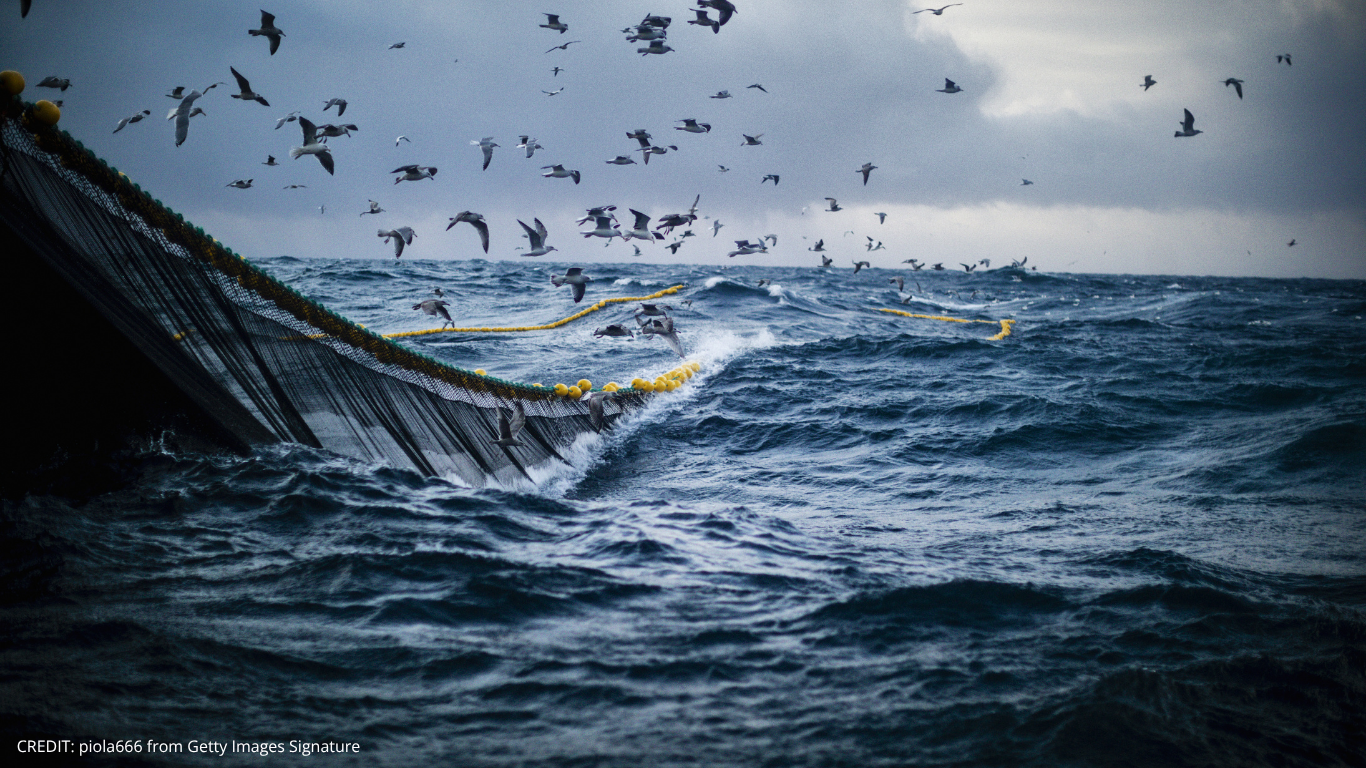
Brussels, 4 November 2026: Environmental NGOs welcome the European Commission’s decision to not include a revision of the Common Fisheries Policy (CFP) in its 2027 Workplan, announced today, and call on the Commission to maintain this course. To improve ocean health and biodiversity, BirdLife, BLOOM, Coalition Clean Baltic, ClientEarth, Environmental Justice Foundation, Oceana, and Seas At Risk urge the Commission to prioritise full implementation and enforcement of the existing CFP to rebuild fish populations, protect marine ecosystems, and secure a sustainable future for fishers and coastal communities. “The Commission has rightly chosen to follow the findings of its own CFP evaluation , published in April this year, and to focus on holding Member States accountable for implementing the law”, said the NGOs. “Reopening a policy that has not yet reached its full potential would halt timely implementation, waste valuable time and delay the meaningful action that European fishers and marine ecosystems urgently need.” A competitive and resilient fisheries sector can only be built on: healthy fish populations; a system that gives a fair share of space and resources to fishers that have a low impact on the marine ecosystem; and a fleet that is enabled to make a just transition to lower environmental impact, reducing dependence on subsidised fossil fuels, and responding properly to the climate crisis. The CFP outlines a precautionary pathway forward, centering fisheries management on scientific advice and ecosystem protection, minimising the impact of fishing on the marine environment while aiming to provide a sustainably sourced food source for people throughout Europe. “The European Commission must now demonstrate its political ambition by delivering on the CFP, which will allow fish populations to recover, will help achieve food security, along with the wellbeing of European fishers and coastal communities, and protect ocean health”, said the NGOs. “With imminent annual fisheries negotiations between the Commission, Member States and third countries, including the UK and Norway, this will be a key opportunity to finally close a major CFP implementation gap by setting fishing limits that are geared towards rebuilding struggling fish populations and fisheries.” The environmental NGOs call on member states to cooperate with the European Commission on stronger implementation measures to fulfil the objectives of the CFP, and put European citizens and environment at the heart of their position going forward.
27 October 2026 , Luxembourg - EU fisheries ministers increased central Baltic and Bothnian herring catch limits beyond the European Commission’s proposals and significantly increased the sprat catch limit, falling short of the precaution needed to protect the role of herring and sprat in the Baltic Sea food web. The Council also rejected proposed cuts to accidental catches of severely depleted cod and western Baltic herring populations. NGOs warn that fishing limits remain too high and urge EU ministers to follow the agreement with concrete plans to rebuild depleted fish populations. Herring: further measures needed to safeguard fragile recovery and protect vulnerable populations EU fisheries ministers increased the catch limit for central Baltic herring to 165 228 tonnes, a 71% increase compared with 2026. The population has shown signs of improvement after years of depletion. However, the central Baltic herring population remains vulnerable, and rebuilding must restore healthy age and size structures as well as overall abundance. Although below the scientific headline catch advice, the Council’s decision exceeds the Commission’s proposal, which was more precautionary and recovery-oriented and should have been followed by the ministers. “Ministers have recognised the need for caution, but still allowed more herring to be caught than the Commission proposed. These vulnerable populations need a stronger chance of lasting recovery, with clear rebuilding targets, a timetable for reaching them and measures that are implemented and enforced ,” said Cathrine Pedersen Schirmer, Senior Fisheries Policy Advisor at Coalition Clean Baltic. For Bothnian herring , ministers retained the three-month spawning closure but increased the Total Allowable Catch (TAC) by 12% , despite the population remaining below healthy levels. The Commission’s proposed TAC for this fish population was already a compromise between population rebuilding and maintaining fishing opportunities. The agreed higher TAC poses a risk to the recovery of the Bothnian herring population and creates increasing uncertainty for the industry. “ Fisheries decisions must also account for the risks to fish population recovery. Even catch limits within the ICES advice range can leave stocks at risk of remaining below the biomass levels that should trigger recovery measures. Fishing opportunities must give depleted populations a real chance to recover to healthy level s,” said Beatrice Rindevall, Chairperson of the Swedish Society for Nature Conservation. The Gulf of Riga herring TAC was also set above NGOs’ recommendations, with an increase of 11% compared with 2026, despite the recent decline in its spawning biomass and its importance to the Baltic food web. Lower limits for this fish population would have better supported population health and long-term resilience. Sprat: recovery must extend to the Baltic Sea food web The sprat agreement remains a significant concern. The Council’s decision, in line with the Commission’s proposal, to increase the sprat catch limit by 44% to 291 590 tonnes exceeds the level NGOs recommended. Although the population has increased, the agreed limit does not sufficiently account for sprat’s importance as prey for cod, salmon, seabirds and other marine wildlife, persistent catch misreporting or the risk of catching vulnerable herring alongside sprat. “ Herring and sprat are vital to the Baltic Sea ecosystem. When setting fishing opportunities, decision makers must leave enough prey in the water to support predators like cod and salmon, to rebuild ecosystem health and align with the EU’s nature restoration ambitions ,” said Justyna Zajchowska, Fisheries Lead for WWF Baltic Sea Programme. Salmon: no increase in catch limits, but stronger protection needed NGOs welcome the decision not to increase salmon fishing opportunities. However, fishing should be restricted to compensatory hatchery-released salmon or salmon from rivers where populations are at full reproductive capacity. Fishing on vulnerable wild populations must be avoided and, if returning salmon numbers are insufficient, additional adaptive management measures should be deployed immediately, considering the impact of recent poor spawning runs. “ Good returns to some large rivers are encouraging, but they do not demonstrate recovery across the Baltic region. Many smaller river populations remain in serious difficulty. We need fishing restrictions that protect those vulnerable salmon throughout their migration and allow enough fish to reach their spawning grounds ,” said Thomas Johansson, Chairman of Östersjölaxälvar i Samverkan and Secretary General of the Baltic Salmon Fund. Cod, western Baltic herring and plaice: Council misses opportunity to curb bycatch Both Baltic cod populations and western Baltic herring remain severely depleted. Targeted cod fisheries remain closed, while ministers retained the small-scale fisheries exemption for western Baltic herring. Yet ministers agreed bycatch quotas well above the Commission’s proposals for 2027 and at the same level as 2026, falling short of the protection sought by NGOs. For all three populations, the agreed bycatch quotas permit continued catches despite ICES advice for zero catch. The Council’s decision to increase the plaice TAC to 11,237 tonnes , well above the level NGOs recommended, missed an opportunity to secure a reduction in accidental cod catches. The decision also does not reflect the very low reported landings of this species. Declining weight and condition of plaice also warrant greater caution. The TAC must be combined with effective enforcement of mandatory selective gear to reduce cod bycatch and the implementation of the landing obligation. Annual fishing limits must support lasting recovery The Council’s decisions on Baltic Sea fishing opportunities for 2027 are not ambitious enough to secure restoration of all Baltic Sea fish populations. These decisions should be seen in the context of last year’s joint commitment by the European Commission and Baltic Sea Member States to seek dedicated scientific advice from ICES on rebuilding pathways for fish populations. In the absence of such rebuilding-oriented advice, and whilst we are waiting for it, decisions should be more cautious and based on the available recovery-focused catch options provided by the scientists in their traditional advice. Fisheries management must also support EU marine restoration objectives and the achievement of good environmental status in the Baltic Sea. Restoring fish populations and food webs is essential to the recovery of the sea itself and to the long-term future of Baltic fisheries and the coastal communities that depend on them. ENDS *** Further information: Link to Council decision Link to Commission’s proposal Link to Joint NGO recommendations on Baltic Sea fishing opportunities for 2027 Media contact: Beatrice Rindevall, Chairperson, Swedish Society for Nature Conservation, ordforande@naturskyddsforeningen.se Cathrine Pedersen Schirmer , Senior Fisheries Policy Advisor, Coalition Clean Baltic, Cathrine@ccb.se Justyna Zajchowska , Fisheries Lead, WWF Baltic Sea Programme, jzajchowska@wwf.pl Dr. Katja Hockun, Senior Expert Meeresschutz, Deutsche Umwelthilfe e.V., hockun@duh.de Konrad Stralka , Executive Director, BalticWaters, konrad.stralka@balticwaters.org Magda Jentgena , Baltic Sea and Freshwater Programme Manager, Pasaules Dabas Fonds, mjentgena@pdf.lv Regan McEnroe , Chairperson, Nature and Youth Sweden, ordforande@faltbiologerna.se Tapani Veistola, Executive Director, Suomen luonnonsuojeluliitto (Finnish Association for Nature Conservation), tapani.veistola@sll.fi Thomas Johansson , Chairman, Östersjölaxälvar i Samverkan, and Secretary General, Baltic Salmon Fund, thomas@balticsalmonfund.com .