Pathway to Tox-Free Living: Policy and Action
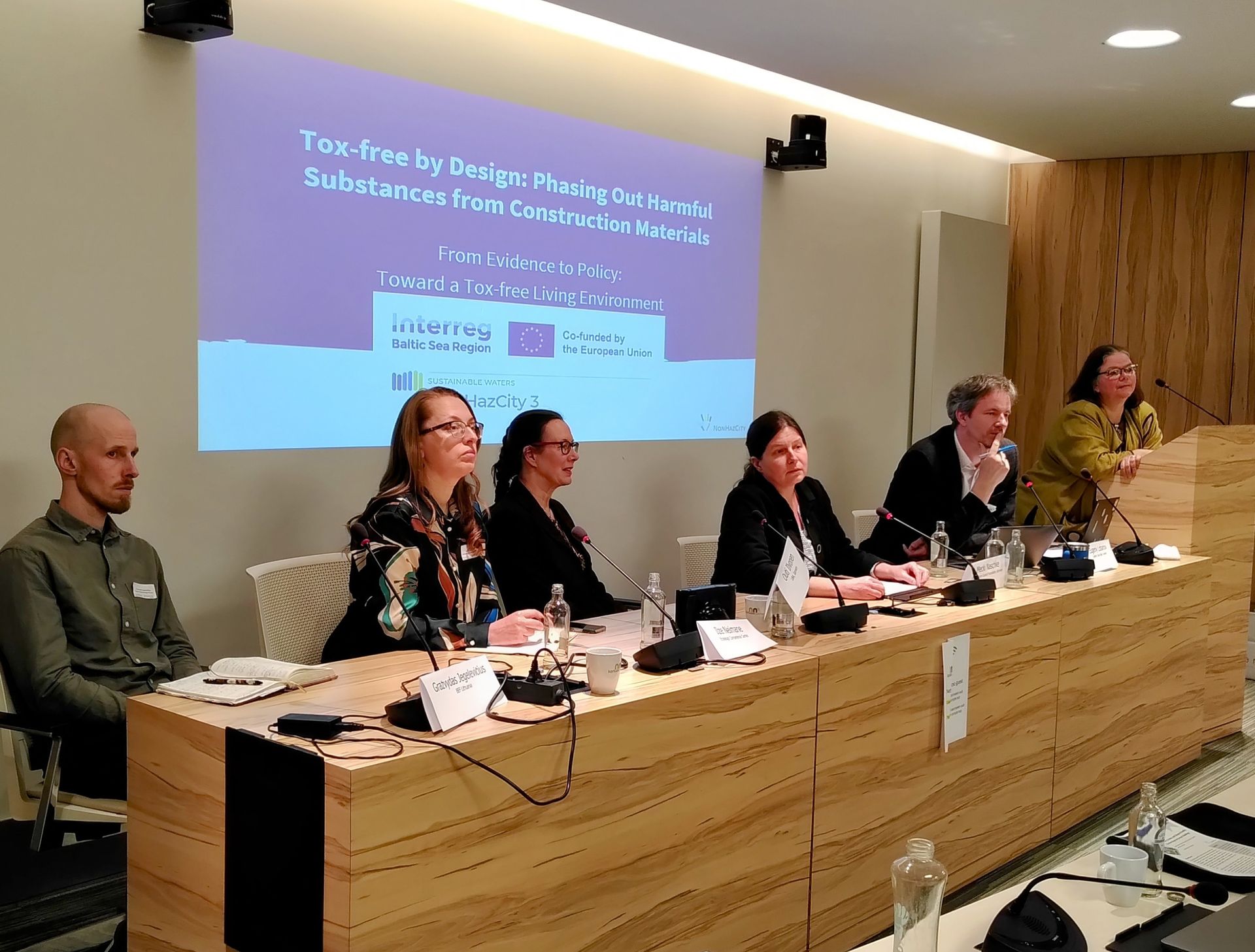
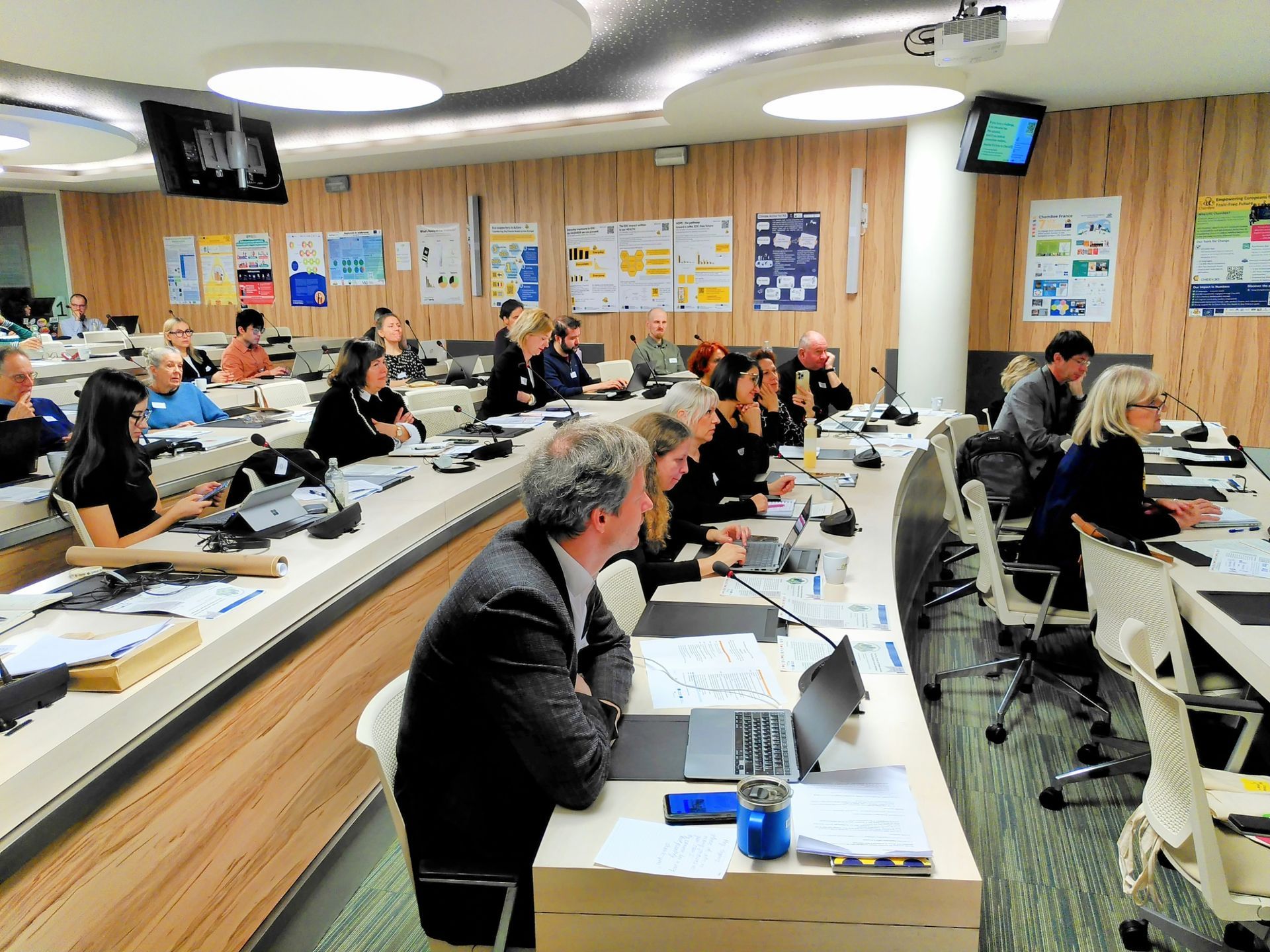
Leading scientists, consumer advocates and policymakers gathered on November, 18th in Brussels for the
conference "From Evidence to Policy: Toward a Tox free Living Environment".
They warned that exposure to Endocrine Disrupting Chemicals in homes and consumer products represents a silent but severe public health and economic crisis. New findings presented to over 65 participants by the
EU Baltic Sea Interreg project NonHazCity3, LIFE ChemBee and the ToxFree LIFE for All projects as well as revealed widespread contamination of European households by complex chemical mixtures of hormone system disrupting substances (so called endocrine disrupters – EDCs) that contribute to chronic disease and impose enormous health costs.
According to the key note speaker Dr. Aleksandra Rutkowska, the home environment is a significant source of exposure to EDCs through indoor air, dust and daily contact with common products. Current research links such exposure to a shocking amount of lifestyle diseases including 22 cancer outcomes, 18 metabolic disorder outcomes and 17 cardiovascular disease outcomes. Scientists also stressed that the crisis spans generations. EDCs trigger epigenetic changes that not only affect today’s population but also future children and even grandchildren. Other effects include reproduction disorders. Over the last decade, 150 million babies were born preterm, and evidence shows that reducing the use of plastics by half could cut the risk of preterm birth by half as well.
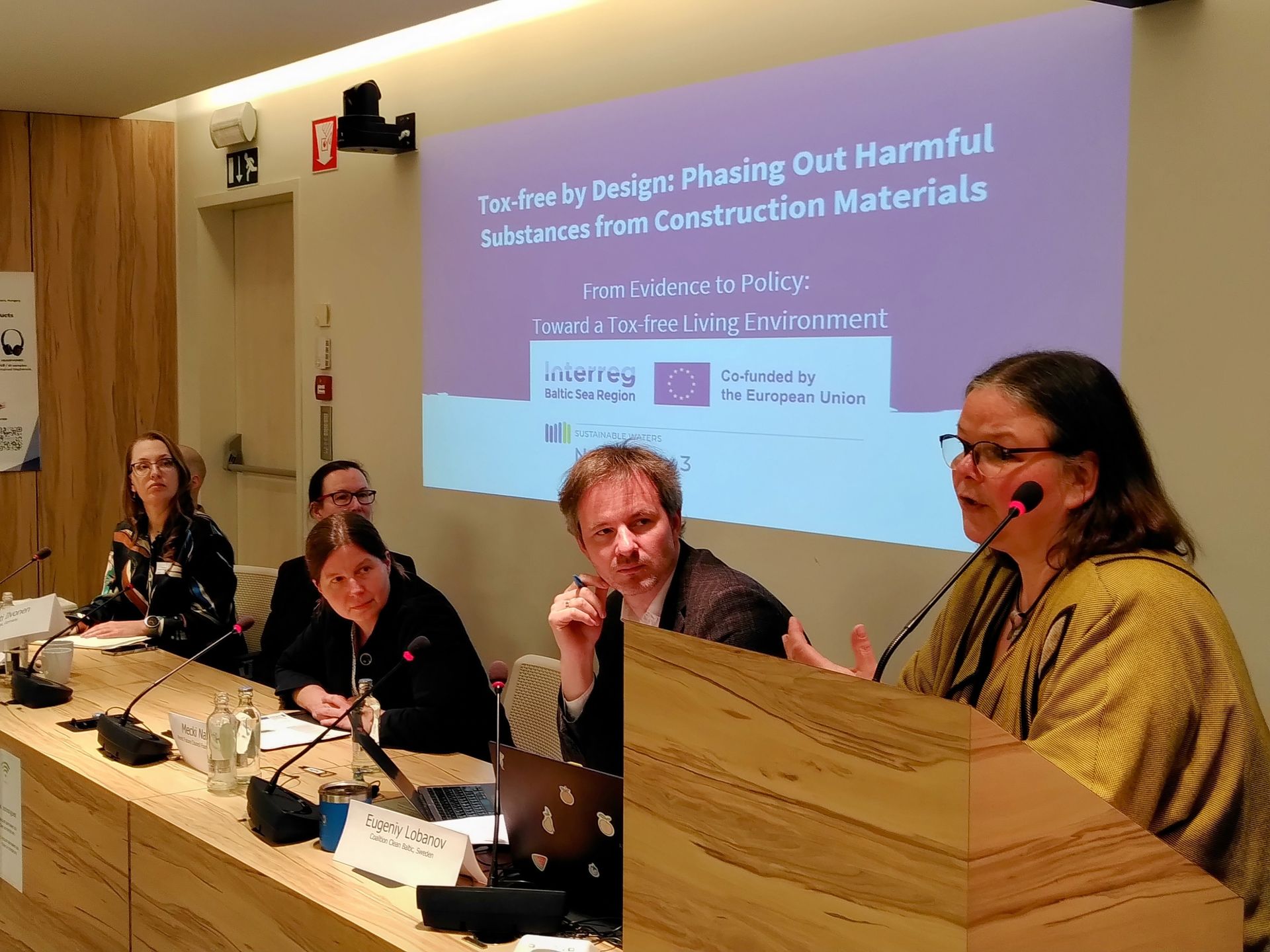
The NonHazCity3 project presented evidence that hazardous substances remain common in construction materials and contribute significantly to indoor exposure. Organophosphate flame retardants are estimated to cause a loss of thirteen million IQ points every year in the European Union. Biocides have been found to leach from outdoor paints and PFAS have been detected in dust samples from preschools. At the same time, project representatives emphasised that effective solutions already exist. Stronger legal requirements, full transparency regarding the chemical content of new and reused building materials and the use of green procurement systems can substantially reduce exposure. The Swedish BVB system was highlighted as a successful example, enabling the City of Västerås to decrease the number of products assessed as unsuitable for use by half.
“The construction and buildings sector is enormous: globally, it may account for around 37 % of CO₂ emissions; within the EU, production continues to grow — and this scale means that even incremental improvements in material composition, reuse and safety can make a big difference,” says Eugeniy Lobanov, CCB Hazardous Substances Working Area Leader. "What stood out from our discussion in the conference is that safe, tox-free construction is achievable — but only if science, policy, and people move together. We need transparency, collaboration, and persistence to ensure the buildings we construct today don’t become tomorrow’s pollution,” Lobanov concludes.
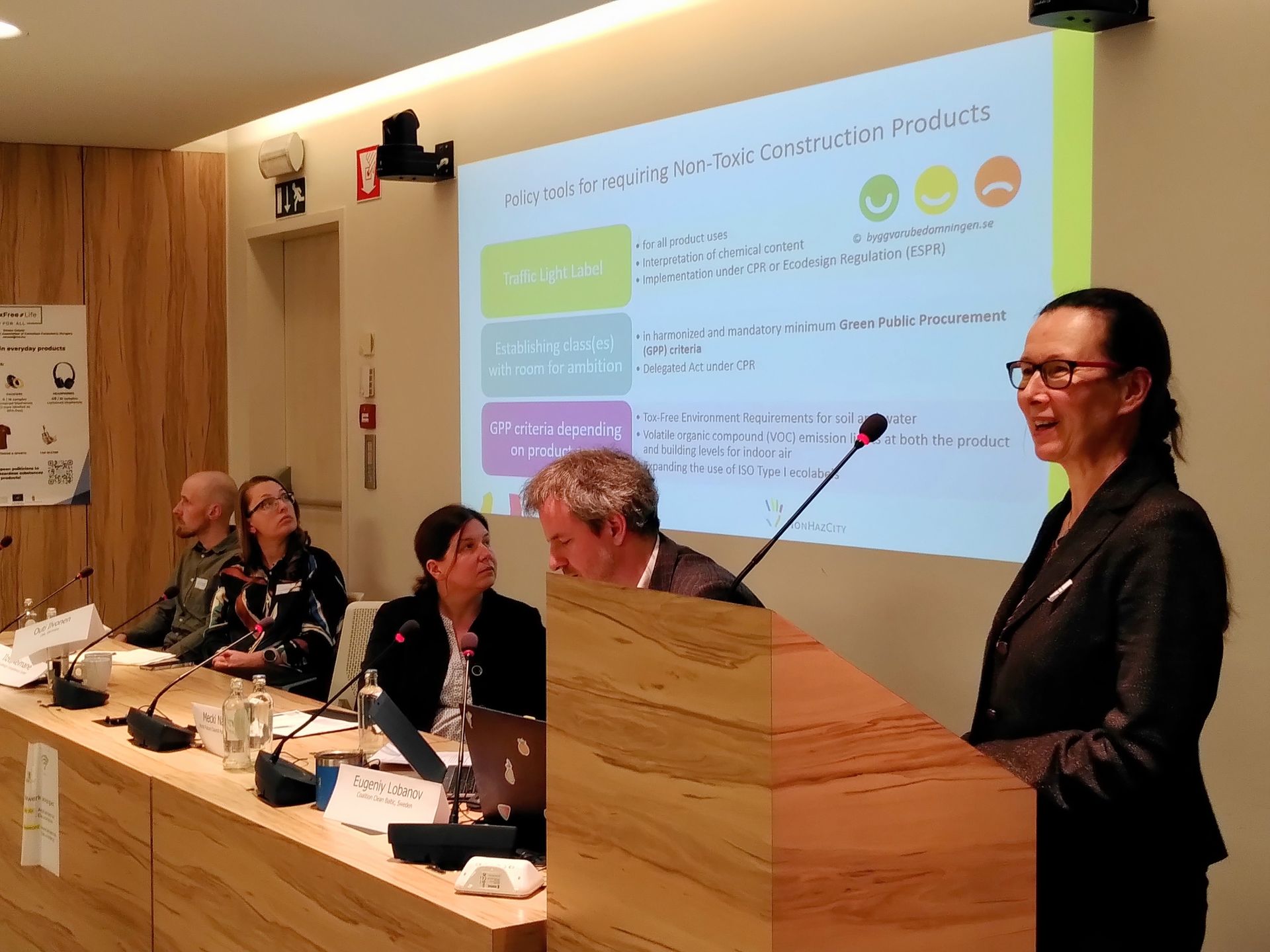
Speakers cautioned against weakening chemical regulation and stressed that progress requires strong legislation, transparent markets and practical support for consumers. Without these steps, the long-term health and economic consequences of hazardous chemicals exposure will continue to grow.
At the conference CCB moderated a dedicated panel exploring how hazardous substances still widely present in building materials affect human health, the environment, and circular economy efforts. The session brought perspectives from science, NGOs and consumer experience, municipal practice, and policy.
Key messages from the panel included:
1. Evidence of widespread chemical risks in construction
Findings from the NonHazCity3 project show that building materials still contain numerous hazardous substances—such as PFAS, bisphenols, flame retardants and plasticisers—which can migrate into indoor dust, stormwater, and the wider environment. This presents long-term risks as buildings last for decades and materials may later be reused or recycled.
2. Real-world challenges for consumers and builders
Insights from practical renovation stories illustrated how difficult it can be for consumers and even renovation professionals to understand what chemicals are in materials. Labels are often unclear, information fragmented, and safe alternatives difficult to identify—highlighting the need for better transparency tools and market incentives.
3. Municipal leadership shows that change is possible
Examples from cities such as Stockholm and Västerås demonstrated how chemical-smart procurement, material logbooks, and product assessments can drastically reduce the use of hazardous substances in public buildings. These systems also support future renovation, safe reuse, and circularity.
4. Policy must ensure transparency and prevent regrettable substitution
The panel stressed that EU and national legislation must advance toward mandatory chemical content disclosure, stronger restrictions, and clearer rules for safe circularity. Avoiding “regrettable substitutions”—where one harmful chemical is replaced by another equally problematic one—remains a key challenge.
CCB’s role and NGO perspectives
Throughout the conference, CCB emphasized the crucial role of NGOs in:
- Raising public awareness about chemical risks in everyday environments
- Translating scientific evidence into accessible messages for citizens and decision-makers
- Supporting municipalities and national authorities in implementing chemical-smart building practices
- Advocating for stronger EU and national policies, including transparency requirements, safer product design and a toxic-free circular economy
CCB also highlighted its ongoing work within NonHazCity3, and specifically regional awareness-raising campaign (follow in social media - #nhc3campaign), which continue to build public capacity on safe and sustainable construction and renovation in the Baltic Sea region.
***
Article written by Eugeniy Lobanov, CCB Hazardous Substances Working Area Leader