From a destroyed greenhouse to a growing public garden: how donations found new life in Lviv
In 2022, amid the devastation caused by Russia’s full-scale invasion of Ukraine, a small but meaningful crowdfunding initiative - #ASeedForReblooming - was launched to support landscape architect Nina Radchenko. Today, that initiative has evolved into a powerful contribution to urban sustainability and community resilience in Lviv.
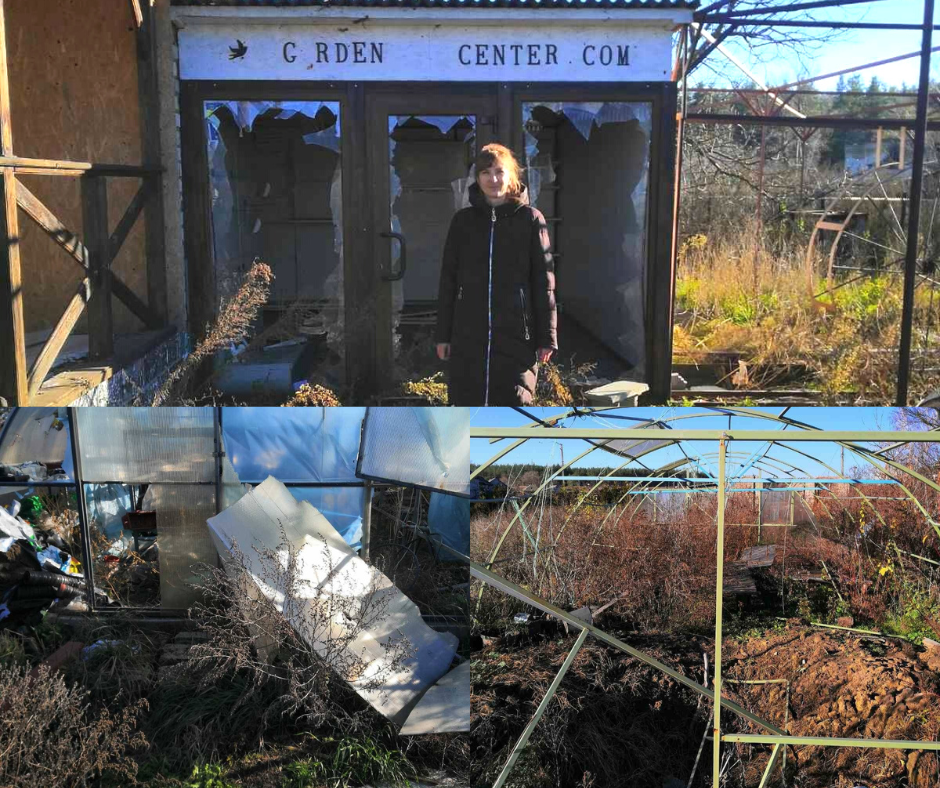
Nina Radchenko’s professional and personal journey has been deeply shaped by the war. Originally from occupied Horlivka, she relocated in 2014 to the village of Oleksandrivka in the Donetsk region, near Sviatohirsk. There, over eight years, she built the Oleksandrivka Garden Center, developing greenhouses and cultivating ornamental plants and vegetables with the support of international grants.
In the spring of 2022, the garden center, greenhouses, and Nina’s family home were destroyed due to the war. Forced to evacuate, Nina and her family eventually resettled first in Rivne and later in Kyiv, while Oleksandrivka became inaccessible due to the proximity of the front line and widespread landmining.
During a meeting in May 2022 in Järna, Sweden, Nina and her colleagues from
Coalition Clean Baltic launched a crowdfunding campaign to help restore one of the destroyed greenhouses. Over two years and three months, the campaign raised
€7,000. However, as the security situation worsened, it became clear that rebuilding in Oleksandrivka was no longer possible.
A thoughtful redirection of support
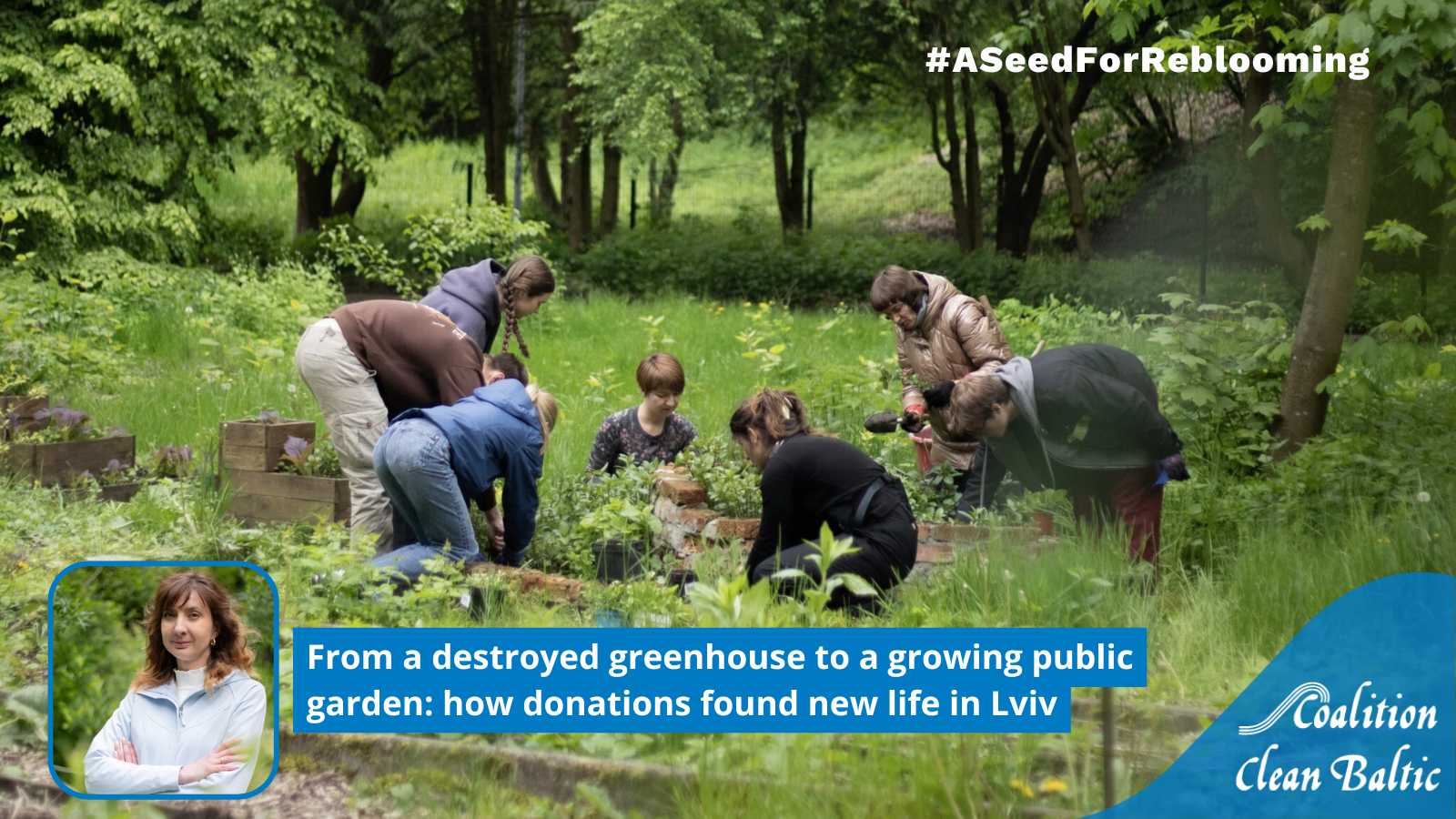
Faced with this reality, Nina proposed redirecting the collected donations to a project that could continue the spirit of her work — nurturing plants, people, and sustainable environments — in a safer place. The funds were transferred to support “Rozsadnyk,” a public space for eco-therapy and environmental education located in Zalizni Vody Park in Lviv.
"Probably when you lose a lot, you want to give something back. Every initiative should be long-term. After losing everything for the second time, I am very cautious about this. And I understand that it the activity must be in a safe place. This is a relatively safe place for now, although Ukraine as a whole is not a safe place at the moment. I want it to bring joy." said Nina.
Established in 2021 on the site of a former municipal flower farm, Rozsadnyk has grown through collaboration between local residents, NGOs, city authorities, international donors, and socially responsible businesses. To date, the space has hosted more than 220 public events — from clean-ups and gardening workshops to garden therapy sessions, literary meetings, and concerts — engaging over 4,000 participants.
The Green Bank: a new chapter
Redirected donations are now strengthening the creation of the Green Bank, the first public garden center in Lviv and in Ukraine. This initiative focuses on building a stock of planting material based on the principles of sustainable gardening: perennial, non-invasive plants that are resilient to urban conditions, require minimal maintenance, and help cities adapt to climate change.
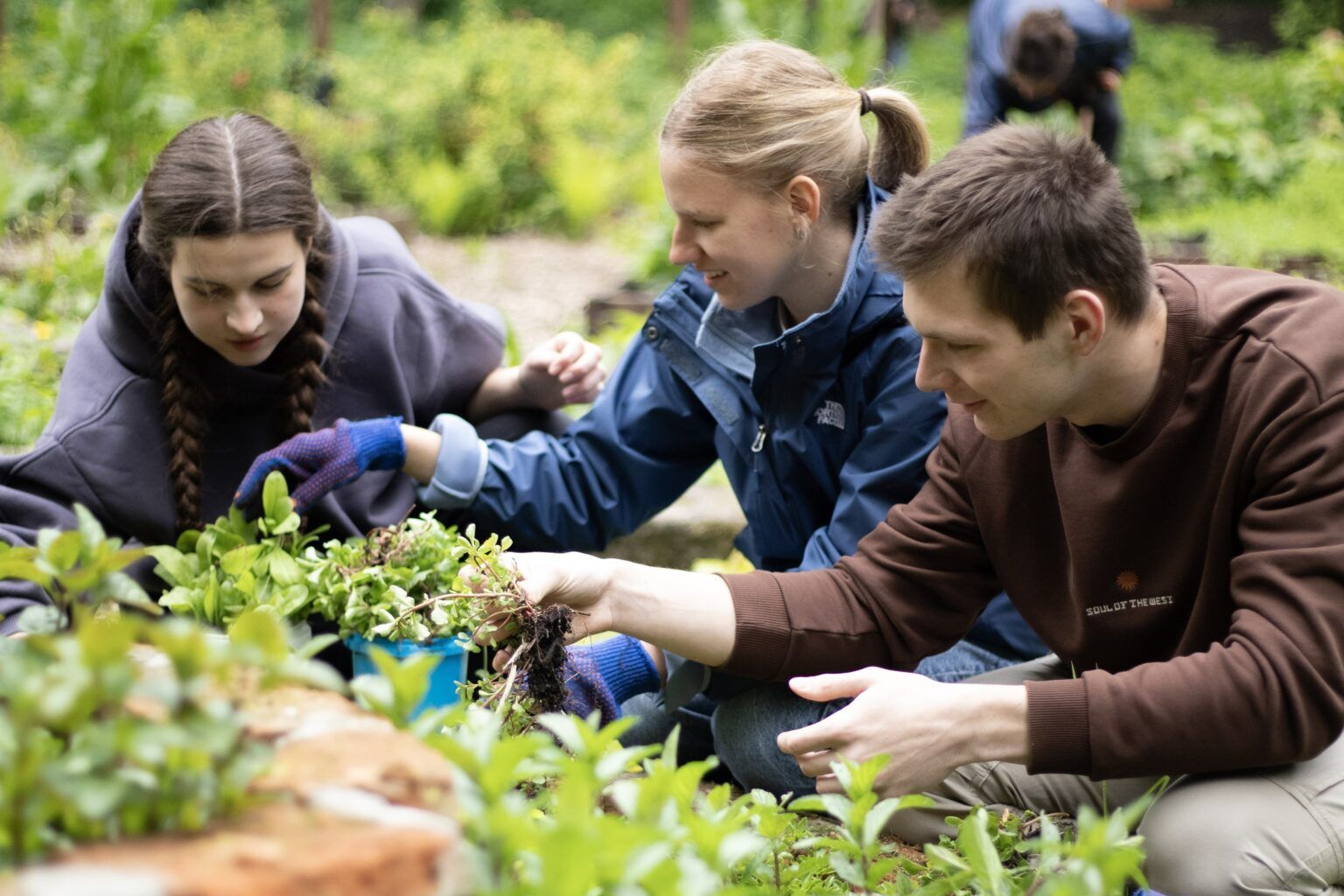
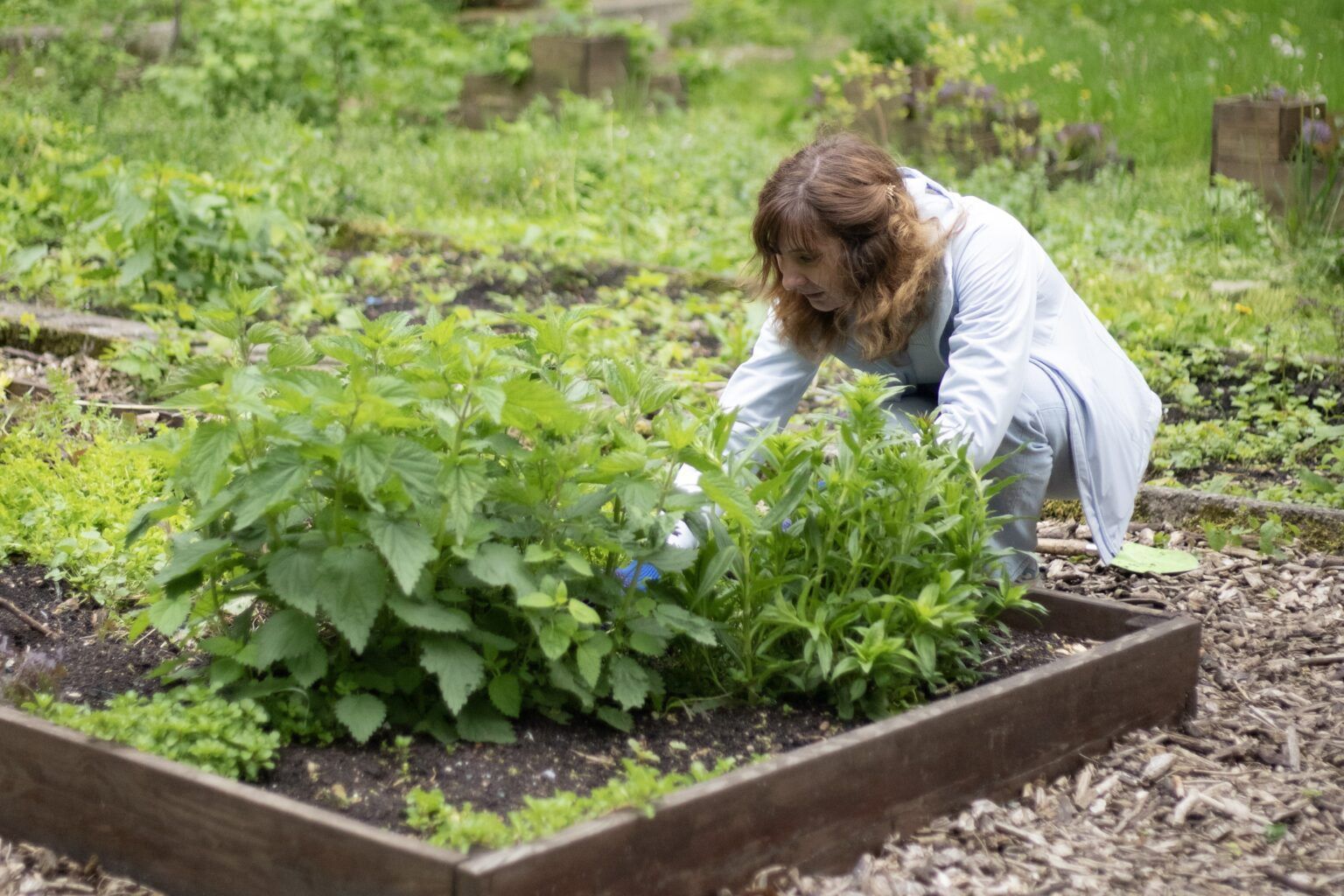
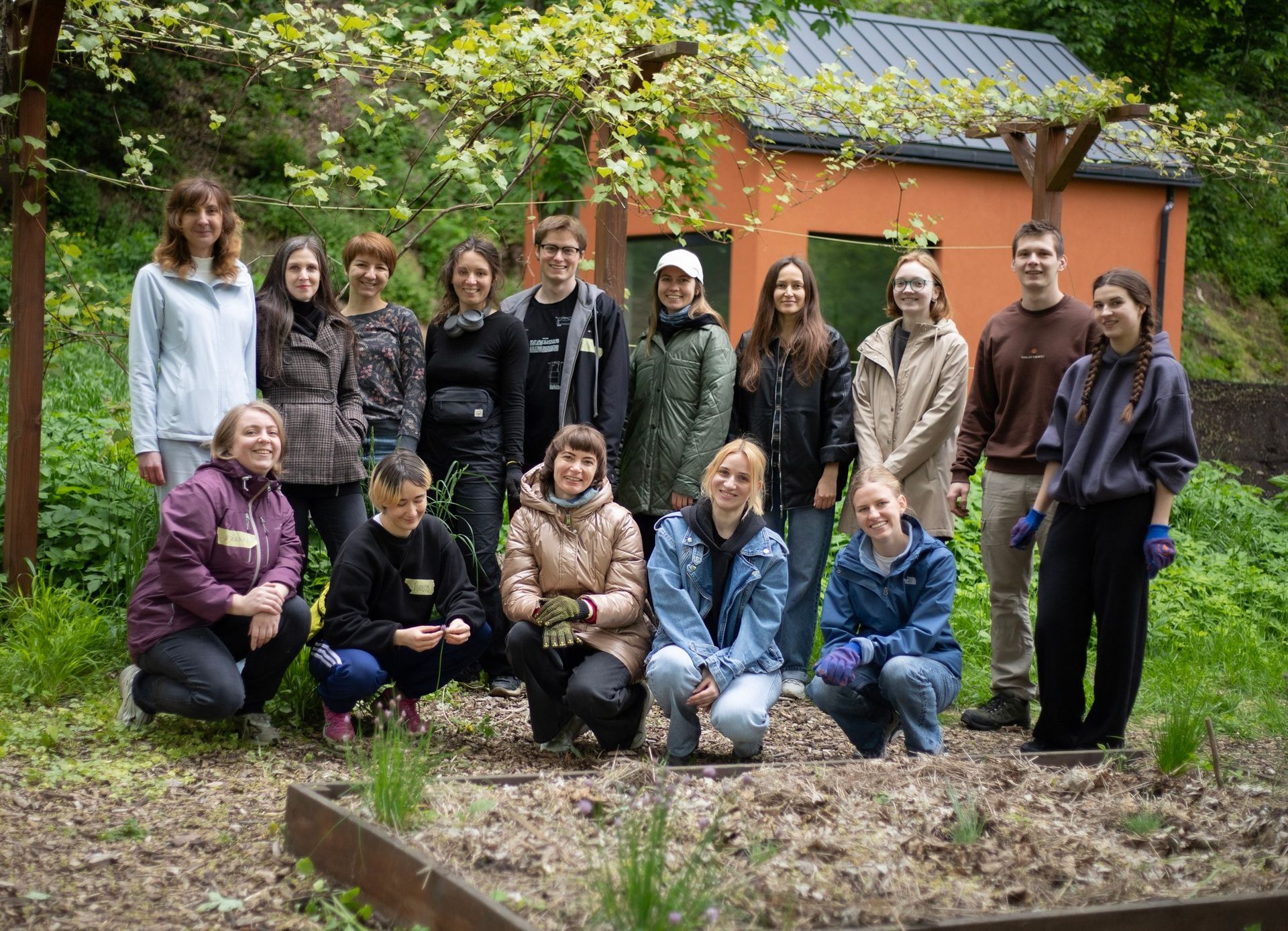
The Green Bank is rooted in plants already growing on the site — many inherited from the former flower farm — and continues to expand through new purchases and community plant-donation campaigns. Volunteers and coordinators care for the plants together, turning the process into both a learning experience and a collective act of stewardship.
Who benefits and why it matters
The Green Bank supports initiative groups, schools, cultural and healthcare institutions, and the wider Lviv community by providing young, rooted plants for greening projects upon request. Beyond plants, it shares knowledge.
In the face of climate change, biodiversity loss, and pollution, cities urgently need greener spaces. Traditional approaches (sterile lawns, annual flowers, and imported species) are costly and often ineffective. The Green Bank offers an alternative: nature-oriented, ethical, and cost-efficient urban greening.
Weekly open meetings, held every Wednesday during the summer, allow residents to learn hands-on techniques for propagating plants without peat, chemicals, or tap water, and to understand sustainable gardening as a daily practice, not just a theory.
Progress and impact so far
The first full season of the Green Bank (February–October 2025) has already delivered impressive results:
- 282 participants involved in events
- 23 events held
- 24 plant species established
- 1,195 plants successfully grown
- Around 200 plants shared with the community
The season will conclude with further workshops, including a dedicated session led by Nina Radchenko, bringing her expertise full circle into this new chapter.
Strong partnerships for the future
The initiative is implemented in partnership with the NGO Plato, within Rozsadnyk, with the support of the Department of Ecology and Natural Resources of the Lviv City Council and the territory’s balance holder, State Enterprise “Park – Vysokyi Zamok.” At the end of 2024, these partners, together with NGOs Plato and Ecoterra, signed a five-year cooperation agreement, securing the long-term development of Rozsadnyk as a space for environmental education and nature therapy.
From one greenhouse to a citywide impact
While the original greenhouse in Oleksandrivka could not be rebuilt, its legacy lives on. By redirecting donations to the Green Bank, supporters have helped transform loss into growth — not just of plants, but of community, resilience, and a greener future for Ukrainian cities.
***
You can follow the progress of the project on:
- The Green Bank of Rozsadnyk: what it is and why you should join : Plato NGO
- Website: https://rozsadnyk.lviv.ua/
- Instagram: https://www.instagram.com/rozsadnyk_prostir
- Facebook: ttps://www.facebook.com/rozsadnyk/?locale=uk_UA

Co-funded by the EU LIFE Programme. Views and opinions expressed are however those of the author(s) only and do not necessarily reflect those of the European Union or CINEA. Neither the European Union nor CINEA can be held responsible for them.