Don't sink the
Common Fisheries Policy
- fulfil its potential
As the European Commission prepares its evaluation of the Common Fisheries Policy (CFP), environmental NGOs across Europe and beyond urge EU and national policymakers to help build a sustainable and resilient fishing sector by upholding regulatory stability and prioritising the effective implementation of existing law.
Background
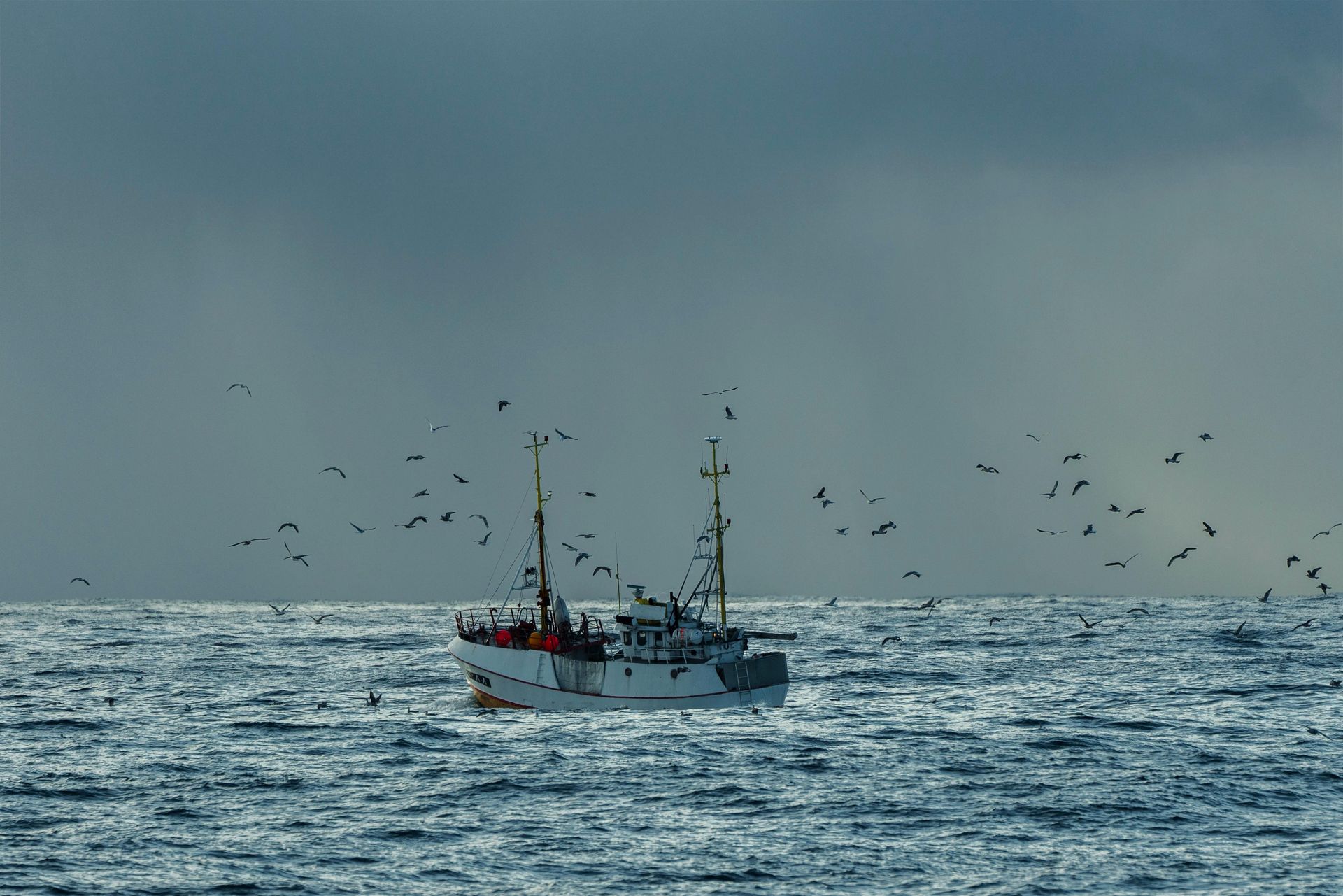
The Common Fisheries Policy (CFP) is the EU’s legal framework for managing fisheries. It defines:
- Where it applies: in EU waters and for EU vessels worldwide.
- How it works: sets catch limits and conservation goals based on scientific advice.
- Who can fish: allocates fishing opportunities among EU Member States.
- Controls: establishes rules for monitoring, control, and enforcement obligations.
- Support: helps fishing communities and adapts to environmental changes.
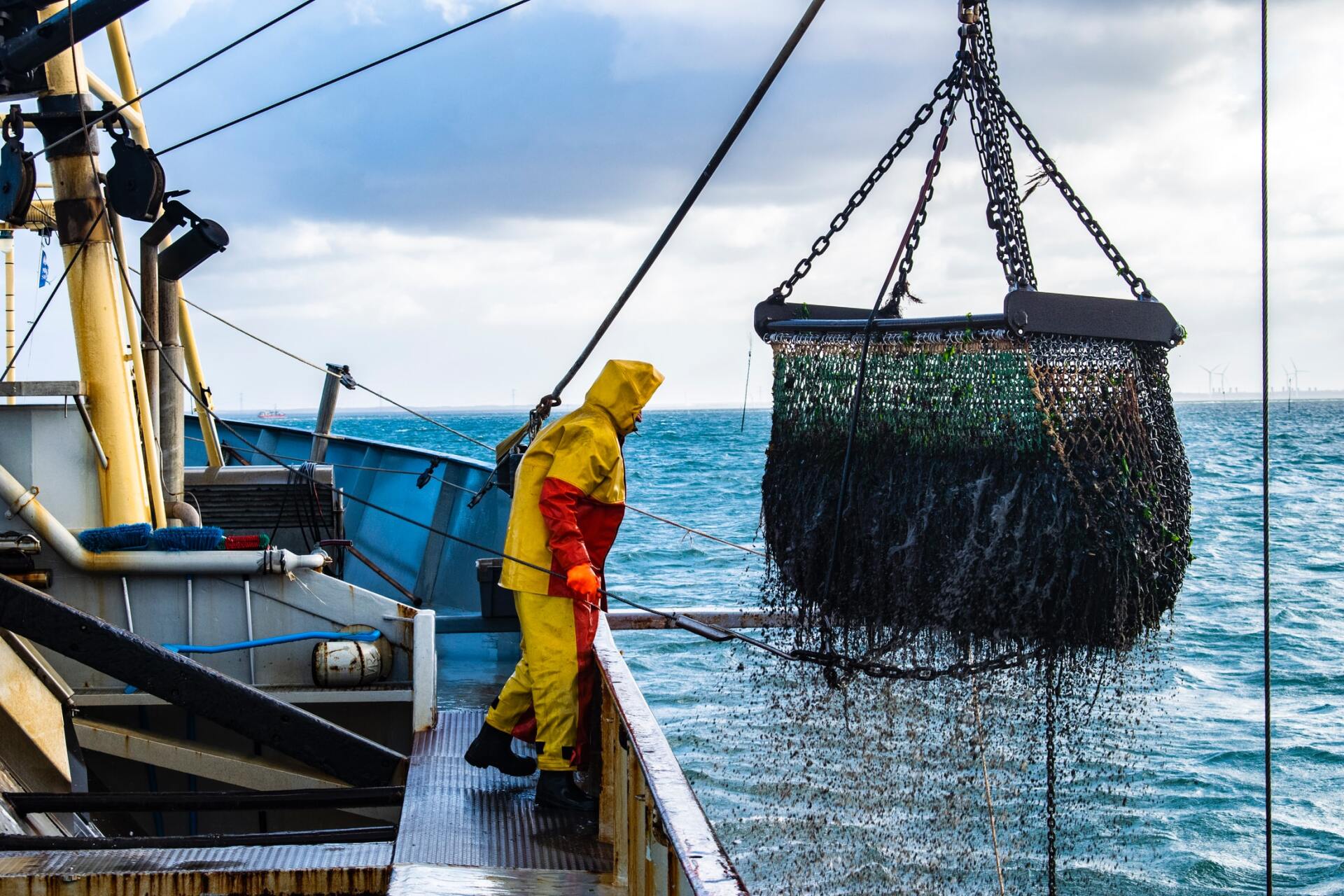
If fully enforced, the CFP can achieve three major goals:
- Healthy fish stocks
- Thriving marine ecosystems
- Long-term economic stability for coastal communities
The evidence is in the results: where properly implemented, such as in the North-East Atlantic, overfishing has decreased, and fish stocks have started to recover.
The challenge is to close the gap between the CFP commitments and reality, not to redesign it.
Progress remains uneven and closely linked to how seriously Member States enforce the rules.
For the Baltic, theEU Commission couldn’t be clearer: “unless the Member States apply
and implement EU legislation in full, fish stocks will not recover.”
THE CFP REFORM WOULD OPEN A PANDORA´S BOX
Implementing the CFP as it stands is the most effective, simple and time efficient way to achieve measurable improvements in fisheries management and ocean health in the short to medium term. By contrast, reopening the CFP Regulation would trigger years of polarisation and policy paralysis - precisely when fisheries governance must move forward.
On 30 March 2026, on the occasion of the AGRIFISH Council held in Brussels, along with Oceana, BLOOM, ClientEarth, Environmental Justice Foundation (EJF), Seas At Risk and WWF EU, we handed a symbolic ''Pandora’s Box'' to the EU Commissioner Costas Kadis,
sending a clear message as the European Commission prepares its 2026 evaluation of the Common Fisheries Policy (CFP).
The box represents the risks of revising EU’s main fishery policy framework: once opened, competing demands from Member States, industry, small-scale fishers, and coastal communities could quickly spiral into division, regulatory delays and uncertainties.
This would put at risk the hard-won progress made in restoring Europe’s fish populations and improving the profitability of the fishing sector.

NGO COALITION
BRIEFING
DON´T SINK THE COMMON FISHERIES POLICY - FULFIL ITS POTENTIAL
Strengthening the implementation of the CFP offers immediate socio-economic and regulatory benefits. It provides stability and predictability for fishers and coastal communities, prevents years of legislative uncertainty, and allows the EU to deliver faster on sustainability goals.
Consistent enforcement can drive economic resilience in fisheries while restoring ocean health without the delays and risks associated with a full reform process.
For more information:
CCB Secretariat: secretariat (at) ccb.se
Do you want to support us more?
Discover what you can do to protect our beloved Baltic Sea and its natural resources.