REGENERATIVE ORGANIC AGRICULTURE
2022
Regenarative Organic Agriculture is a project that created a network of organisations working for regenerative farming to mitigate climate change, eutrophication and improve the local food systems in the Baltic Sea Region.
OVERVIEW OF THE PROJECT
The project long term aim was to mitigate global warming, restore biodiversity and reduce eutrophication of the Baltic Sea. These challenges are caused at either regional or global level. Remedies are therefore of a transnational character and needs cooperation between stakeholders in several national states.
In the case of eutrophication of the Baltic Sea agriculture stands for 50% of the nutrient emissions hailing from the countries within the Baltic Sea drainage area. Agriculture is also a major cause of CO2
emissions accelerating the pace of global warming.
Loss of biodiversity is a challenge related to agriculture and agrodiversity. It was therefore important to build transnational networks to mitigate these issues by preparing for projects and activities through common local transnational strategies.
Project partners were: Polish Ecological Club Gliwice, PKE (Poland), Coalition Clean Baltic, CCB (Sweden), Lviv Сity Public Organization "Ecoterra" (Ukraine), LCPO "Ecoterra" (Ukraine), and two organizations from Belarus.
REGENERATIVE ORGANIC AGRICULTURE
IN A NUTSHELL
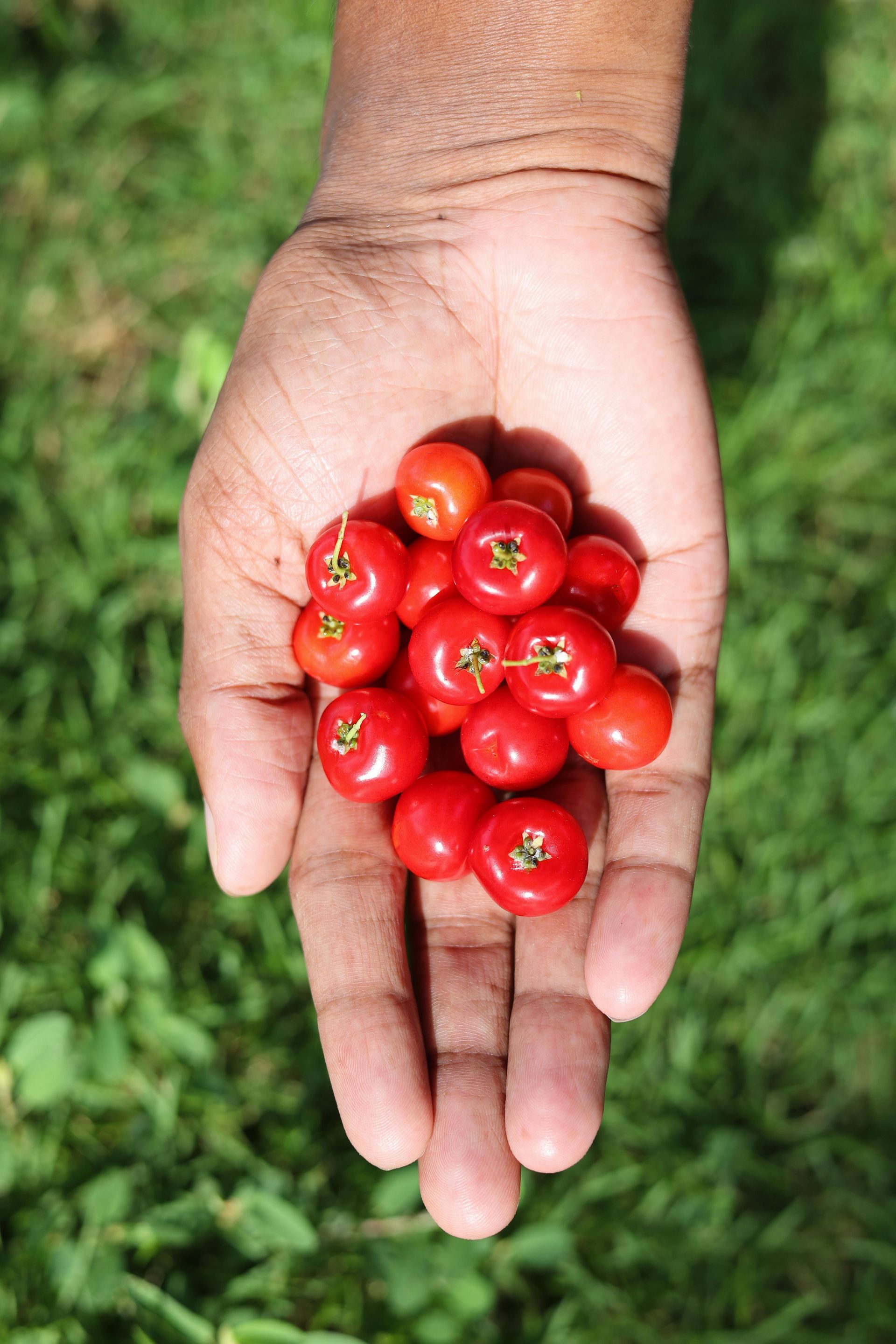
What is the main goal of the Project?
The main goal was to create a network of organisations working for regenerative farming to mitigate climate change, eutrophication and improve the local food systems in the Baltic Sea Region.
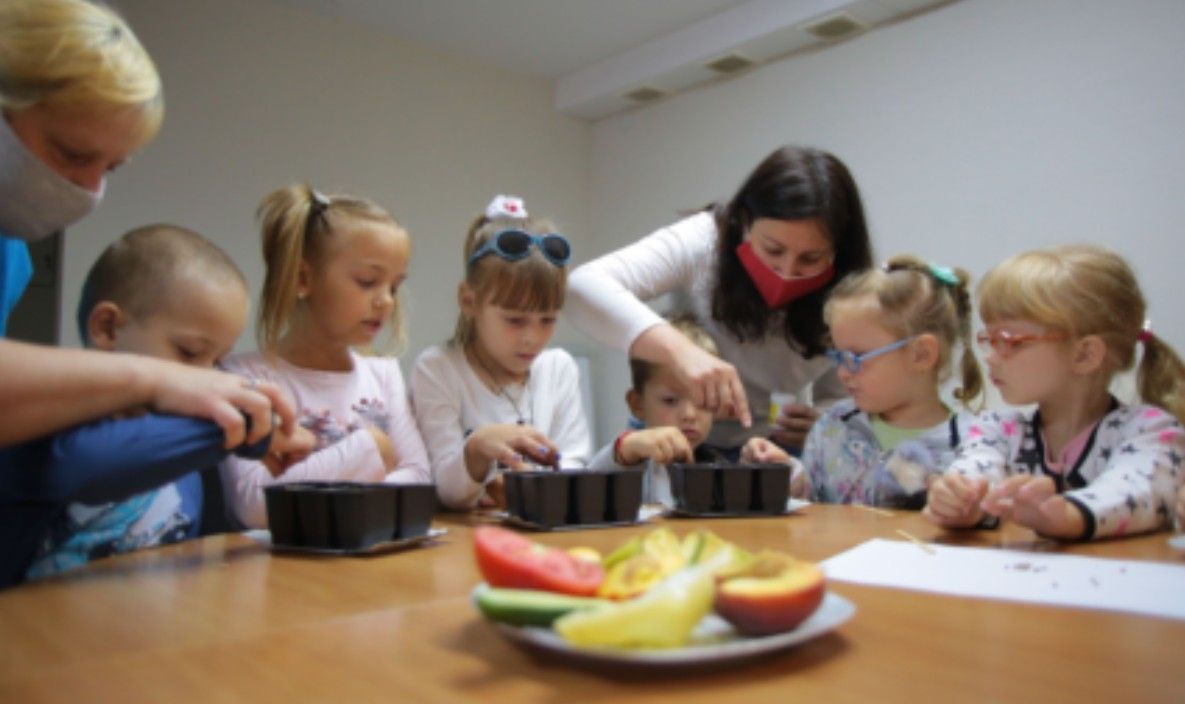
How the programme is implemented?
The projects that have been implemented have had several main orientations:
- Dissemination of information on negative anthropogenic impacts on water resources, particularly in the river Western Bug's catchment area, as well as the impact of intensive farming on water resources.
- Information- educational campaign among secondary schools in rural and small towns in the Lviv region on the impact of synthetic detergents, based on phosphates, on water resources, human organism and environment.
- To make popular and disseminate information on alternative methods of organic farming, in particular organic farming.
- To give the population successful examples of organic farming.
What was the impact?
- 16 upper secondary schools from small towns and villages participated in the Lviv region.
- Approximately 850 students in grades 1-11 participated in information pedagogical lessons.
- Approximately 600 people cultivating agricultural products participated in information-educational seminars and were informed of various alternative farming practices, in particular organic production.
For more information:
CCB Secretariat: secretariat (at) ccb.se
Project website: https://foreningensofia.org/projekt-utomlands/ukraina/
The project was funded by:
We continue to act, do you want to know more?
We work in the entire Baltic Sea region with different projects and programmes.
Click the button below to discover what is going on and how you can help.