Global Plastics Treaty is taking a next step in its development
CCB • November 13, 2023

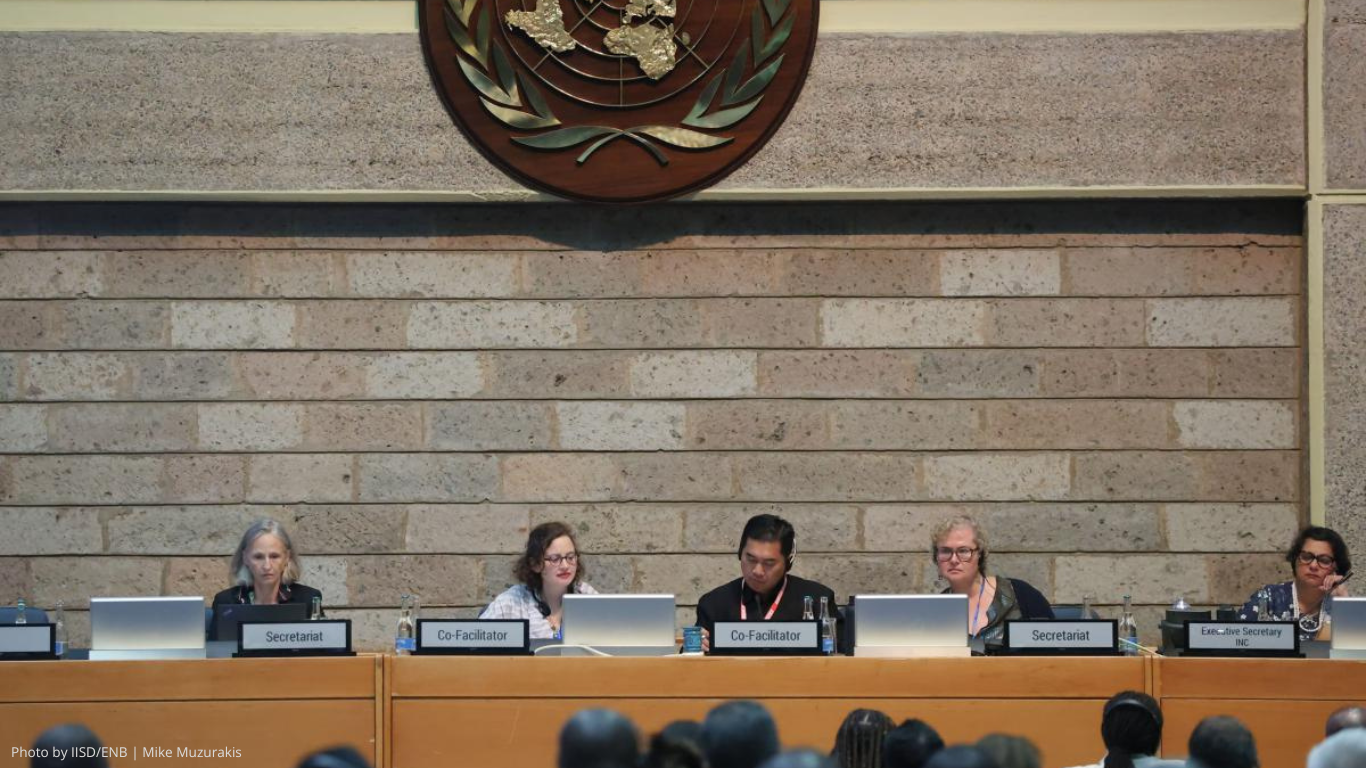
13 November 2023, Nairobi (Kenya) - Coalition Clean Baltic along with many other global and national environmental NGOs is joining UN governments for a third session of the Plastics Treaty Intergovernmental Negotiating Committee (INC-3), which is taking place this week in UNEP headquarters in Nairobi, Kenya.


During INC-3 participants will be mainly working with the zero draft of the Plastics Treaty, which was released by UNEP and the INC Chair in September 2023.  The released document includes many placeholders and different language options, which are a good basis for further discussions. The most promising areas presented in the draft include options for progressive reduction of plastic production, elimination of polymers and chemicals of concern, elimination of problematic short-lived and avoidable plastics, the recognition of the need for transparency, just transition, and the setting up of systems and targets for reduction and reuse, among others. Potentially problematic and ambiguous provisions include text on recycled plastic content, Extended Producer Responsibility, and waste management. Without ambitious standards, these areas could misplace the emphasis on recycling and waste management measures, undermining the treaty's effectiveness.


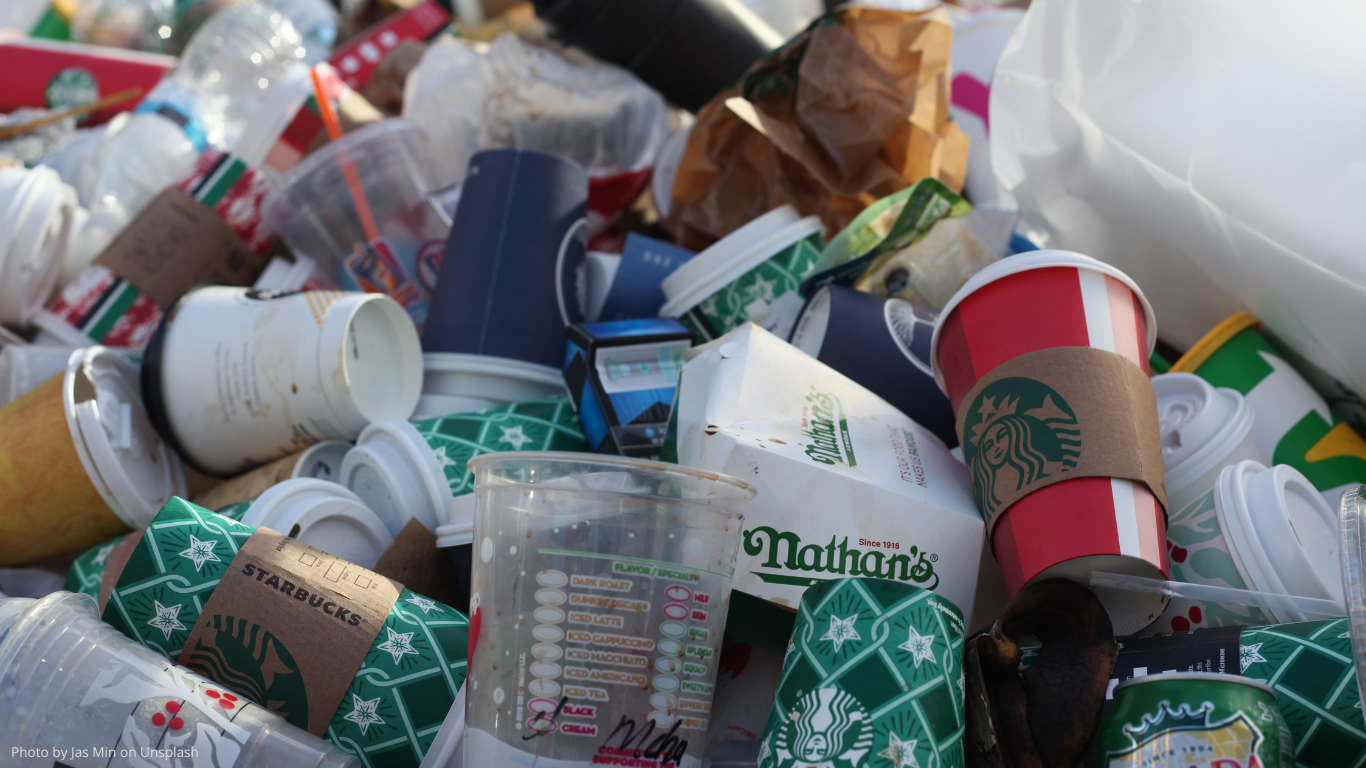
CCB believes that plastic pollution is currently a growing international crisis with a devastating impact on the environment, including on the marine resources, human health, human rights, environmental justice, the rights of indigenous people, biodiversity, and climate. As numerous studies have demonstrated, plastic has been found everywhere, not only in ecosystems and the atmosphere but also in the food we eat, the water we drink, and even inside our bodies”, comments Eugeniy Lobanov, CCB Hazardous Substances and Marine Litter Working Area Leader, and participant of INC 3 in Nairobi. He continues: “The future Global Plastics Treaty shall be effective in reversing the tide of plastic pollution, mechanisms and solutions to address it need to exist within climate and planetary boundaries. Among other things the new Treaty should be centered on avoiding future plastic pollution throughout the life cycle by phasing down production and consumption of plastics, and prohibition of toxic chemicals in plastics.


CCB would also like to highlight that the evidence of toxic threats from chemicals in plastics has been accumulating, with recent evidence showing the complexity of the toxic plastic problem. Data published in the beginning of November 2023 reveal that hundreds of chemicals, including numerous highly toxic pesticides, were found in recycled plastic material (pellets) collected from thirteen countries across Africa, South America, Asia and Europe. In correspondence also published in November 2023 in the prestigious journal Science, researchers from IPEN, the University of Gothenburg, Aarhus University, and the University of Exeter noted that “Hazardous chemicals present risks to recycling workers and consumers, as well as to the wider society and environment… Before recycling can contribute to tackling the plastics pollution crisis, the plastics industry must limit hazardous chemicals.” A webinar previewing a forthcoming study from the Norwegian University of Science and Technology noted that there are more than 16,000 chemicals used in plastics with 25% classified as hazardous and noted that “no plastic chemical [can be] classified as safe.”


Plastic recycling has been touted as a solution to the plastics pollution crisis, but toxic chemicals in plastics complicate their reuse and disposal and hinder plastic recycling,” said Dr. Bethanie Carney Almroth, of the University of Gothenburg in Göteborg, Sweden and a co-author of a recent study showing that plastic and chemical pollution has exceeded the Earth’s “planetary boundaries.” Dr. Almroth continued, “Numerous studies show that hazardous chemicals can accumulate even in relatively close-loop plastic recycling systems. We need to rapidly phase-out plastic chemicals that can cause harm to human health and the environment.”


***
Article written by Eugeniy Lobanov, CCB Hazardous Substances Working Area Leader


Resources:

UNEP online resource page for INC-3

IISD Daily coverage of INC-3

IPEN resource page for INC-3

BFFP resource page


Background information:

Plastic pollution is a growing crisis for the environment, human health, human rights, biodiversity, and the climate — actions to address it are needed now at the global level. 


In March 2022, the United Nations Environment Assembly (UNEA) adopted resolution 5/14 titled “End Plastic Pollution: Towards an International Legally Binding Instrument” that began the process to negotiate a new global plastics treaty by the end of 2024. Following UNEA-5.2, an ad hoc open-ended working group (OEWG) met in Dakar, Senegal, to prepare for negotiations. That meeting recommended five Intergovernmental Negotiating Committee (INC) meetings over the following two years. The first Intergovernmental Negotiating Committee meeting—INC-1—took place 28 November – 2 December, 2022, in Punta del Este, Uruguay. Significant intersessional work has been happening since. 


UNEA Resolution 5/14 was a landmark moment in global policy making. Global treaties are the world’s best hope at regulating transnational environmental problems, as we saw in the successful regulation of ozone depleting substances by the Montreal Protocol. Negotiations between UN governments will now focus on interpreting that mandate and developing the treaty. Significant questions about the treaty’s objective, scope, function and form remain.


At the INC-1, civil society groups joined forces to demand a strong and effective treaty, one which fully meets the challenges of the plastics crisis. INC-1 ended with a mix of highs and lows as civil society and rights-holders called for a full life cycle approach, addressing the extraction of feedstocks and production to transport, use, disposal, and remediation.


The INC-2 took place at the UNESCO Headquarters, in Paris, France from 29 May to 2 June, 2023. INC-2 considered multiple elements that could be included in the future treaty. Delegates also elected remaining members of the INC bureau and agreed on the provisional application of the draft rules of procedure. In the end, delegates agreed to mandate the Secretariat to prepare a Committee-driven zero draft, to reflect differing views on elements related to the plastic lifecycle, such as identifying options on definitions and criteria along the plastic supply chain, including on problematic and avoidable plastic polymers and products, design for circularity, substitutes and alternatives, releases and emissions, and addressing means of implementation.


The INC-3 is scheduled to take place from 13 to 19 November 2023 at the UN Environment Programme (UNEP) Headquarters in Nairobi, Kenya. The session will be preceded by regional consultations on 12 November 2023. Also, as decided by the Committee at its second session, a preparatory one-day meeting will take place on 11 November 2023 at the same venue. 

By CCB March 30, 2026
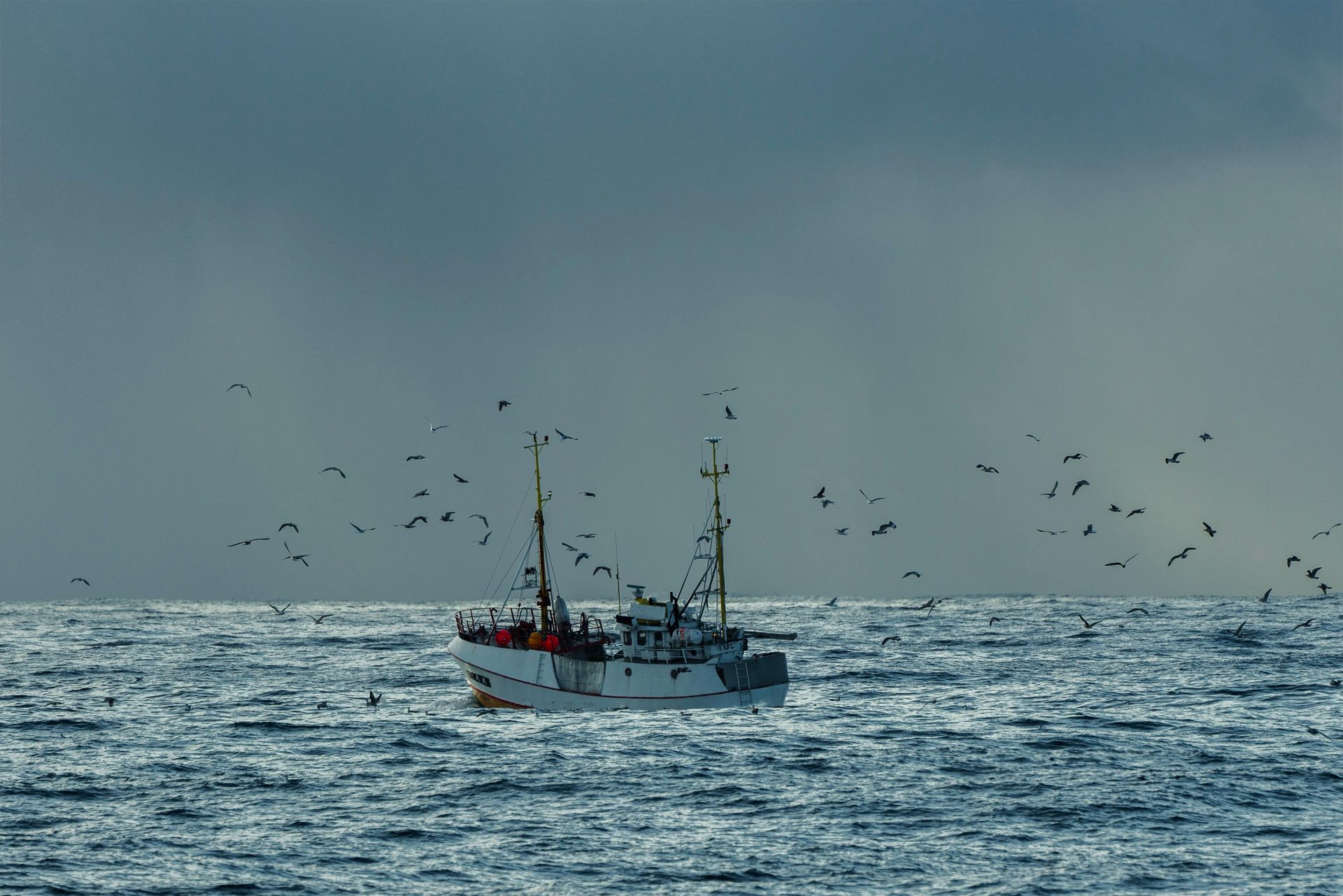
Brussels, 30 March 2026 - Today, Fisheries Ministers from EU Member States meet with the European Commission for the AGRIFISH Council. On this occasion, Oceana, BLOOM, ClientEarth, Coalition Clean Baltic (CCB), Environmental Justice Foundation (EJF), Seas At Risk and WWF EU, handed a symbolic ''Pandora’s Box'' to the EU Commissioner Costas Kadis, sending a clear message as the European Commission prepares its 2026 evaluation of the Common Fisheries Policy (CFP). The box represents the risks of revising EU’s main fishery policy framework: once opened, competing demands from Member States, industry, small-scale fishers, and coastal communities could quickly spiral into division, regulatory delays and uncertainties. This would put at risk the hard-won progress made in restoring Europe’s fish populations and improving the profitability of the fishing sector. NGOs urge decision makers to build on the progress made to date and to prioritise the full and timely implementation of the existing rules. Reopening the CFP and its related provisions would undermine ocean health and the long-term future of Europe’s fishing communities. '' Europe's fisheries policy is facing a credibility test. The law is already there. The tools to rebuild our seas already exist. What's missing is the political will to deliver. Overfishing should have ended by 2020 at the latest. Reopening the CFP would signal that missed deadlines carry no consequences, erode trust, revert the progress made, and put the future of our fisheries and coastal communities at stake ’’, said the NGO coalition. *** Oceana: Vera Coelho, Executive Director and Vice President in Europe BLOOM: Claire Nouvian, Founder and General Director ClientEarth: John Condon, Lead of Marine Ecosystems Coalition Clean Baltic (CCB): Ida Carlén, Co-Chair Environmental Justice Foundation: Steve Trent, CEO/Founder Seas At Risk: Dr Monica Verbeek, Executive Director WWF EU: Ester Asin, Director
By CCB March 10, 2026
Uppsala, March 2026 - CCB has closely worked with the implementation of the EU Marine Strategy Framework Directive (MSFD) ever since its adoption and welcomed the opportunity to give feedback to this crucial directive for marine biodiversity and ocean health through the EU Call of Evidence . Evaluations conducted by the EU Commission previously found many positive effects for EU marine waters stemming from the directive, but also that the directive has some shortcomings. CCB however, maintains that the largest obstacle to fully implementing the directive and achieving Good Environmental Status (GES) is the lack of political will among Member States to do so. This forthcoming revision must therefore result in a framework directive that is more easily enforceable, measurable and implementable, accompanied by sufficient funding to carry out the measures. Furthermore, in order to achieve GES as fast as possible other key pieces of EU legislation must also support reaching it and focus on achieving the goals of the MSFD in their objectives. Seeing that European seas generally are in poor condition and under mounting pressure from human activities and that in the Baltic Sea the situation is especially dire there is an urgent need for truly ecosystem-based management of our seas and for reaching GES. The revised MSFD can help us achieve this, but only if it includes the points outlined below and the directive is fully and swiftly implemented: *** [Short version]*** Operationalise the overarching GES goal: EU sea areas were supposed to reach GES already in 2020, but due to low political ambition, sadly did not do so. Member States should therefore strive to reach GES as fast as possible now. Setting a new overall deadline for when to reach GES is not the answer on how to achieve this goal most efficiently, instead tools that address pressures and measure progress and ensure actual, timely implementation of ambitious measures must be included in the revised directive in order to operationalise achieving the overall GES goal. CCB therefore recommends making the existing and forthcoming threshold values for the descriptors and their criteria legally binding and part of the main directive. Improving regional coordination and implementation: To improve the coherence, coordination and effectiveness of MSFD implementation, assessment of GES, monitoring and the national PoMs the role of the Regional Seas Conventions (RSCs) must be clarified. CCB would welcome collating all the national PoMs into one regional PoM for the Baltic Sea, which should be aligned with, in addition to reaching the goals of the MSFD, with achieving the goals of the Baltic Sea Action Plan (BSAP). Land-sea interface: For the Baltic Sea to achieve GES it is key that land-based pressures, primarily nutrient runoff from agriculture causing severe eutrophication, is also addressed and that implementation of the MSFD goes hand in hand with the implementation of the Water Framework Directive (WFD). The goals of the MSFD and achieving GES should also be included when implementing and shaping the Common Agricultural Policy (CAP), as well as any synergies with implementing the EU Zero Pollution Action Plan which are also important to identify and utilise. The Baltic Sea also has a too high prevalence and level of other pollutants and hazardous substances affecting marine life. Fisheries and aquaculture: As one of the main pressure factors on the marine environment in general, as well as in the Baltic Sea, fisheries and aquaculture and the effects they have on the marine ecosystem and its biodiversity must be addressed in order to achieve GES. This is especially crucial when considering the MSFD descriptor for Biodiversity (D1), Fish and Shellfish (D3), Food webs (D4) and the one for Seabed integrity (D6). Climate change: Climate change is also affecting the Baltic Sea faster than other marine regions and must be factored in when managing the sea area and its resources to ensure EBM and the full implementation of the MSFD and achieving GES. The effects of the climate crisis should be accounted for when setting pressure reduction targets and threshold values for the descriptors and their criteria, in a way that when an effect cannot be measured nor predicted the precautionary principle must be used. Revising Art. 14 of the MSFD: Article 14 in the MSFD outlines the acceptable exceptions when reaching GES is not possible. The article needs to be revised in the forthcoming revision, since it contains too many and too broad in scope possibilities for exemptions (e.g. in Art. 14(4)), which jeopardise the implementation and fulfilment of the directive as a whole. A possible way of modifying it would be to introduce an obligation for Member States to demonstrate that they have taken all measures within their control nationally and that they have tried to address the problem and advance solving it on a regional level through cooperating with other Member States, before they can apply for a possible exemption. Make the Programme of Measures contain ambitious & concrete measures: One of the cornerstones of the MSFD is the national PoMs that are published every six years and are precluded by an assessment of GES in national waters and a monitoring programme. Unfortunately, the current approach to PoMs where Member States freely can choose measures has led to an overall too low level of ambition in the PoMs, and to large differences within regions and between neighboring countries in terms of which measures are included. In order to fully implement the directive and to achieve GES it is of paramount importance that the national PoMs have a high level of ambition and contain concrete, implementable measures and that there is regional coordination. Easing the reporting burden: One of the results from the evaluation of the MSFD was that the current reporting burden is considered to be too high and a possible way to address this is to align the reporting obligations of the MSFD to more reassemble those of the WFD, that has a more simplified 6-year cycle compared to the MSFD. The implementation cycle however should not be revised or at least not in a way that delays reaching GES. Improve coherence with other legislation: To ensure that the revised MSFD is fully implemented it is essential that coherence with other relevant legislation is improved. The MSPD (foundation for the forthcoming Ocean Act) is also currently being revised and to reach the goals for both the directives achieving GES needs to be a cornerstone of the Ocean Act. This is the only way to deliver truly ecosystem-based management of our seas, and the revision of both directives should therefore be coordinated and focused on achieving GES. CCB looks forward to continuing to provide input to the revision process of the MSFD as well as working with the implementation of the MSFD, especially in the Baltic Sea. CCB expects that the revision will result in a more enforceable directive that leads to the fast implementation of ambitious measures to improve the state of the Baltic and European Sea areas and to the achievement of GES. The full text of the submission is available here . *** Links to supplemental documents supporting our positions: CCB’s submission to the Call for Evidence for the Ocean Act Guiding Recommendations for Source-to-Sea Restoration in Riverine, Coastal, and Marine Ecosystems (Coalition Clean Baltic, 2025) Position Paper on Marine Protected Areas (Coalition Clean Baltic 2024) Don’t sink the Common Fisheries Policy – fulfil its potential (joint NGO Briefing 2025) Blue Manifesto (joint NGO paper)